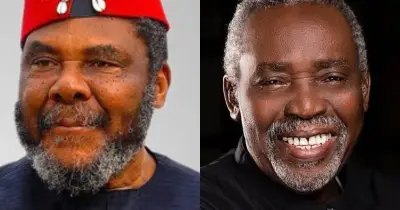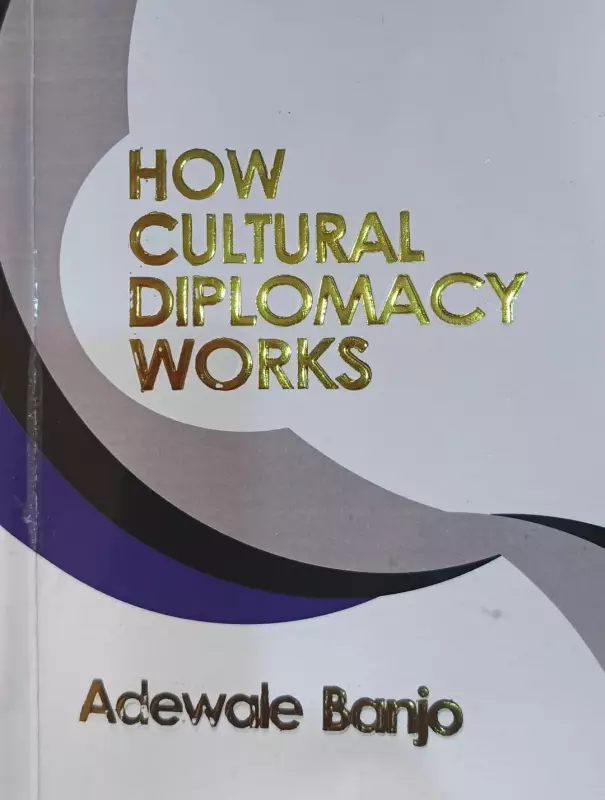
In a significant contribution to global discourse, renowned Nigerian scholar Professor Adewale Banjo has launched his latest literary work titled How Cultural Diplomacy Works. Published on November 15, 2025, this comprehensive exploration arrives at a crucial time when the world grapples with increasing diplomatic tensions and cultural misunderstandings.
Redefining Diplomacy Through Cultural Lens
The book presents a revolutionary perspective on cultural diplomacy, positioning it not as a secondary aspect of international relations but as a strategic, active, and evolving force in global affairs. Professor Banjo, a National Research Foundation (NRF-South Africa) rated scholar with numerous prestigious fellowships, argues that cultural diplomacy serves as the fundamental soothing balm in international relations.
Through meticulous research and profound insight, the author demonstrates that the most enduring connections between nations are not necessarily forged through formal treaties or trade agreements. Instead, he emphasizes that stories, songs, symbols, and shared experiences create the strongest bridges between diverse peoples, especially in our current era characterized by shifting borders, ideological rivalries, and digital disruptions.
The PEPETA Framework and Key Concepts
The book introduces readers to the innovative PEPETA conceptual framework in its opening chapter. This acronym represents Philosophy, Epistemology, Pedagogy, Ecology, Taxonomy, and Anatomy – the essential components for examining cultural diplomacy in our rapidly transforming world.
Professor Banjo masterfully traces the evolution of cultural diplomacy from ancient times to the digital age. He vividly describes how diplomacy once wore the colors of fabrics, spoke through drumbeats, and danced in sacred festival spaces. Today, he notes, this same diplomacy streams through smartphones, weaves into global music charts, and even resides in video games and virtual museums.
Practical Applications and Future Projections
The work extensively covers the practical aspects of cultural diplomacy, highlighting the crucial role of the creative sector as a catalyst and the entertainment economy as a vehicle for global influence. The author emphasizes how cultural diplomacy promotes cultural identity, facilitates cultural exchange, and enhances global recognition of African creativity.
In addressing modern challenges, Professor Banjo examines cultural diplomacy in the context of cyber civilization, predicting a future of embassies without walls. He stresses the urgent need for cyber-savvy cultural diplomats who can blend cultural fluency with digital agility, navigating platforms like X threads, Instagram stories, TikTok reels, podcasts, and livestreams.
The book also tackles the emerging role of Artificial Intelligence in cultural diplomacy, noting that AI has become a silent curator and digital ambassador of cultural exchange through social media recommendation algorithms that shape what cultural content people consume.
Through eleven comprehensive chapters, Professor Banjo presents cultural diplomacy as a powerful vehicle for healing, reconciliation, and global understanding. He projects a future where cultural diplomacy becomes technologically fluent, ethically grounded, and globally inclusive, while culture remains the eternal compass guiding human connections across all boundaries.