Actor Aremu Afolayan Issues Public Apology Following Controversial Security Comments
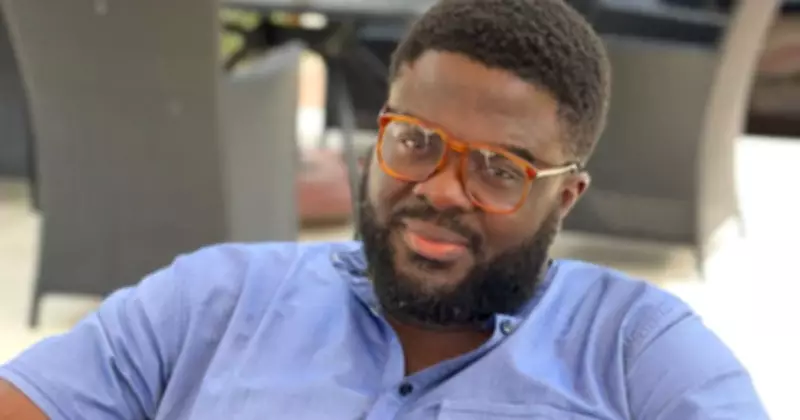
Nigerian actor Aremu Afolayan, brother of renowned filmmaker Kunle Afolayan, has publicly apologized after facing widespread backlash for comments made during a television appearance where he defended President Bola Tinubu and dismissed Nigeria's insecurity crisis as scripted.
Controversial Television Interview Sparks Outrage
During a March 15th appearance on JUJU TV, Afolayan declared his intention to vote for President Tinubu in the 2027 elections, citing what he described as the president's efforts to unite Nigerians and his intervention in lifting the United Arab Emirates' travel ban on Nigerian citizens. The actor went further with remarks that ignited immediate controversy across social media platforms and among the Nigerian public.
"When people say the country is hard, I don't really care because I'm doing very well," Afolayan stated during the interview, displaying a level of candor that many found insensitive given Nigeria's economic challenges.
On the critical issue of national security, Afolayan made perhaps his most provocative statement: "When you watch the news about insurgency, don't mind them, it's all scripted." These words landed particularly hard in a nation where millions grapple daily with escalating fuel costs that have transformed transportation into a luxury, unreliable electricity supply, and a security situation that has displaced communities and claimed numerous lives across northern regions and beyond.
Public Backlash and Social Media Reaction
Nigerians responded to Afolayan's comments with what can only be described as the full force of accumulated national frustration. Social media platforms became inundated with criticism directed at the actor, with many accusing him of being out of touch with the realities facing ordinary citizens.
The backlash was swift and severe, with comment sections across various platforms filling with expressions of disappointment and anger. Many questioned how a public figure could dismiss the genuine security concerns affecting millions of Nigerians, particularly those in regions directly impacted by insurgency and banditry.
The Apology Video and Explanation
Four days after the controversial interview, on March 19th, Afolayan returned with a public apology video. In the emotional recording, the actor addressed Nigerians directly while literally on his knees, pleading for forgiveness.
"To all Nigerians, please forgive me. I'm very sorry. The curses you guys are raining on me are too much," Afolayan stated in the video, acknowledging the intensity of public reaction to his earlier statements.
The actor felt compelled to clarify that he had not received any financial compensation for his initial comments, addressing speculation that he might have been paid to make supportive statements about the government. "I didn't take money from anyone," he emphasized during the apology.
Attempted Clarification and Personal Revelation
Afolayan attempted to reframe his original comments about insecurity, suggesting that his words had been misunderstood. He claimed that what he meant to convey was that anyone dismissing the reality of insecurity was the one reading from a script, not those expressing legitimate concerns about the security situation.
To demonstrate his sincerity and personal understanding of the security crisis, Afolayan revealed a troubling personal experience: "My best friend's mother had been kidnapped and a ransom paid." He then posed a rhetorical question: "How would I say there's no insecurity?"
The actor concluded his apology by announcing his withdrawal from anything related to politics, expressing in Yoruba, "Epe yi po," which translates to "the curses are too much." This cultural reference underscored the depth of traditional belief systems that still influence contemporary Nigerian society.
Public Reception of the Apology
Nigerians online have received the apology with mixed reactions, with many suggesting that the reversal appeared more like damage control than genuine remorse. The consensus in various comment sections indicates skepticism about whether Afolayan's change of position represents authentic reflection or simply a response to overwhelming public pressure.
Social media users continued to express their views following the apology, with some questioning the sincerity of the actor's remorse. One user commented, "You're apologizing for what you said with your full chest? Lmao. Papi you only showed how selfish you are," while another stated, "He is not sorry. Anyway, what he went to look for, he will see."
Whether the public curses and criticism have subsided following the apology remains uncertain at the time of reporting. The incident highlights the complex relationship between Nigerian celebrities, political commentary, and public accountability in an era of heightened social media scrutiny.
This controversy underscores the delicate balance public figures must maintain when commenting on sensitive national issues, particularly those involving security and economic hardship affecting millions of citizens. It also reveals the power of public opinion in holding celebrities accountable for statements perceived as insensitive or disconnected from the realities of ordinary Nigerians.