The British Broadcasting Corporation (BBC) has found itself in hot water once again, this time for how it referred to Catherine, Princess of Wales during recent coverage of Armistice Day commemorations.
Another Royal Protocol Breach
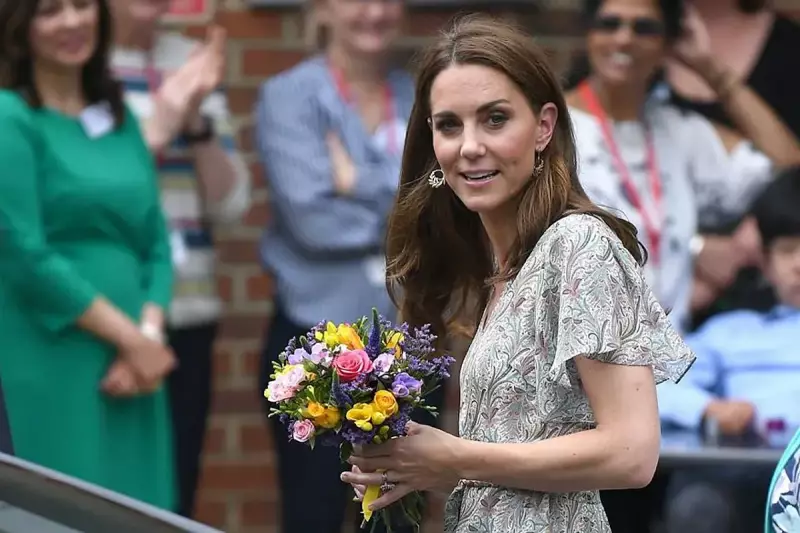
During its live broadcast coverage of Armistice Day events on November 11, BBC news presenter and correspondent Rajini Vaidyanathan repeatedly called the popular 43-year-old royal by her maiden name "Kate Middleton" instead of using her correct title, Catherine, Princess of Wales.
The naming errors sparked immediate complaints from viewers watching the Remembrance coverage, who noted the breach of royal protocol. The princess made her first appearance at the Armistice Day Service of Remembrance this year, leading the nation in a two-minute silence before laying a wreath on behalf of the royal family.
BBC's Official Response
In a formal statement addressing the controversy, the BBC acknowledged their mistake: "During our coverage of memorials to commemorate Armistice Day we mistakenly referred to Catherine, Princess of Wales as Kate Middleton; these were errors during hours of live broadcasting for which we apologise."
The broadcaster was quick to add that "Throughout our Armistice Day coverage more broadly, we referred to Catherine by her correct title," attempting to contextualize the errors as occurring during extensive live broadcasting.
Armistice Day, also widely known as Remembrance Day, commemorates the end of World War I and has evolved into a day to remember all those who have lost their lives in conflicts worldwide.
Second Major Apology in One Week
This marks the second significant apology from the BBC within a week, creating what many are calling a crisis for the renowned broadcaster. Just days earlier, on Thursday, November 15, the corporation apologized to former US President Donald Trump over an editing controversy in a documentary.
The BBC expressed regret for how a 2021 speech was edited in an October 2024 documentary titled "Trump: A Second Chance?" stating that it "sincerely regrets the manner in which the video clip was edited."
However, the broadcaster stood firm against Trump's defamation claims, refusing to pay any compensation despite the apology. The dual controversies have plunged the BBC into its most significant crisis in recent years, resulting in the resignations of BBC director general Tim Davie and head of news Deborah Turness.
Trump subsequently told reporters he intends to sue the BBC for between $1 billion and $5 billion, stating "I think I have to do it. They've even admitted that they cheated. They cheated, they changed the words coming out of my mouth."
The back-to-back apologies have raised questions about the BBC's editorial standards and handling of high-profile figures, with both incidents occurring within the same turbulent week for the broadcasting giant.