Nigerian tech entrepreneur and Paystack co-founder Ezra Olubi has found himself at the center of a social media storm following the resurfacing of controversial old tweets that have left many users deeply concerned.
Viral Photo Connects to Troubling Posts
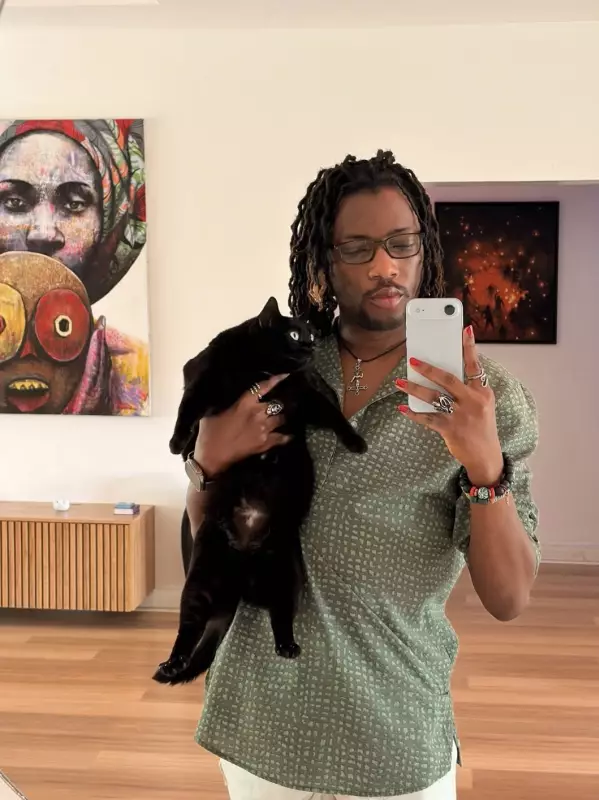
The controversy began when a photo of Olubi holding his black cat went viral on social media platform X. The image, shared by a popular commentator, quickly gained traction as users connected it to previously circulated screenshots of the entrepreneur's old tweets.
The timing of the photo's resurgence coincides with the emergence of several troubling posts attributed to Olubi, where he allegedly made inappropriate comments involving minors and, in some instances, suggested having sexual relations with his cat.
Social Media Reactions Intensify
Nigerian social media users have expressed widespread discomfort and condemnation following the circulation of these old posts. Many have taken to various platforms to share their reactions, with the cat photo serving as a visual reference point for the disturbing claims.
The original tweet about having sex with his cat, which initially sparked the conversation, has become a focal point for critics who question the appropriateness of such statements from a high-profile tech figure.
Timeline of Events
The renewed attention on Olubi's past social media activity began on November 13, 2025, when the viral cat photo started circulating alongside the troubling tweet screenshots. The situation developed throughout the day, with reactions continuing to pour in from concerned Nigerians.
As a co-founder of Paystack, one of Nigeria's most successful fintech companies, Olubi's position in the tech ecosystem has amplified the significance of these revelations. The company, which was acquired by Stripe in 2020 for over $200 million, has been a source of national pride in the African tech scene.
The ongoing discussion highlights the increasing scrutiny public figures face regarding their past social media behavior and the potential consequences of controversial online statements.