Creator's Connect, presented by Exceptional Pathways at 99Brum Studios in Birmingham on 19 September 2026, gathered creative practitioners from music, photography, filmmaking, design, and content creation for an evening of discussion, performance, and informal networking. The event's defining image was a microphone passing between people seated in the same room, with attention shifting among contributors and the distinction between speaker and audience becoming temporary. This arrangement reflected the event's core purpose: everyone has something to contribute, and everyone has a reason to listen to others.
Spoken Word as a Bridge Between Disciplines
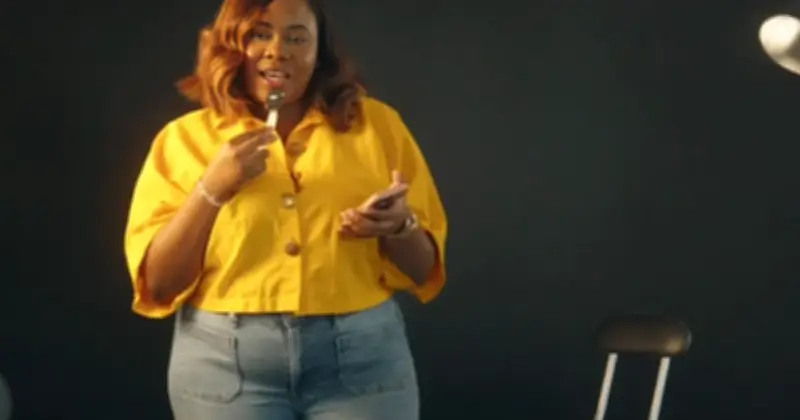
The inclusion of spoken word offered one route towards meaningful exchange across disciplines. Abayomi Olusunle's performance placed an artistic contribution within a programme of discussion and introduction. This mattered because explanations of a creative practice and the presentation of it produce different encounters. An introduction defines what someone does; a performance gives others a work to consider and discuss.
Poetry had particular relevance to this setting. Its material is language, which is already the medium through which participants introduce themselves, but its form asks for another. Rhythm, imagery, and the relationship between speech and silence turn expression into a composed experience. Within Creator's Connect, that was a connection between the event's conversational purpose and its artistic contribution.
Other creatives were also given opportunities to perform, talk about their work, and contribute to the discussion. This openness extended the programme beyond its featured contributions, allowing attendees to help shape the gathering. Moving between presenting work, sharing experience, and responding to others gave participants several ways into the exchange—a useful approach in a room of different disciplines and experience levels.
Intimate Setting and Visual Design
The intimate setting supported this relationship. Contributors remained close to the seated attendees, making faces and gestures visible, minus the distance of a raised platform. Nicholas Uwechue's visual and stage design can be thought of within this relationship between visibility and proximity. The room's design kept the person speaking in view of those listening, giving public contributions some of the scale of a personal exchange.
Uwechue also displayed pieces from his Crowned by Culture project, introducing his photographic practice and its exploration of identity through the lens. This added a visual counterpoint to the spoken contributions, opening up another route into questions of self-expression and representation. Photography is a work to encounter, and a starting point for discussion of how identity is created and communicated.
That proximity was a useful choice for a gathering across disciplines. It makes the individual behind a practice visible and opens up opportunities for direct response. It also places demands on the programme: performance requires sustained focus, while networking encourages movement. The design must accommodate both without letting either lose its purpose.
Sound Engineering and the Listening Environment
Sound engineering belonged to the same negotiation of attention. Samuel Adu's role connected the spoken contributions and performance to the listening environment. At an event where voice is a focal point, it is the medium by which participation becomes possible. Amplification allowed people to easily hear the different contributors, and gave performers space to vary their expression.
Spoken word made this responsibility particularly significant: a quieter phrase or a pause may carry meaning, and changes in intensity are part of delivery. Assessing the engineering consequently involved paying attention to how these details were picked up by the audience, and the consistency of speech across the wider programme. Its contribution was deeply related to the artistic and social intentions of the event.
A Coherent Proposition and Future Potential
These relationships gave Creator's Connect a more coherent proposition than a series of introductions. Performance provided a shared experience, while spatial design set the relationship between contributor and audience, and sound supported the act of listening. Each contributed to the conditions under which people could encounter one another's work.
The informal conversations surrounding the programme extended this encounter. Attendees could move from an idea raised publicly to asking about a practice or exploring a collaboration in a smaller exchange. Holding the event in a working studio also tied these discussions to the practical circumstances of production. Creative resources were placed within the same environment as the people who might use them.
The event's ambition nevertheless called for a longer-term test. A welcoming gathering can initiate relationships, but continued collaboration takes time and commitment. Future editions would benefit from showing what develops from these exchanges, and bringing resulting work back before the community. Creator's Connect's strongest organising idea was its treatment of creative practice as something to be encountered through both work and conversation. Its intimate scale gave that idea a clear expression, and the opportunity now is to carry the attention generated within the room into relationships and projects beyond it.