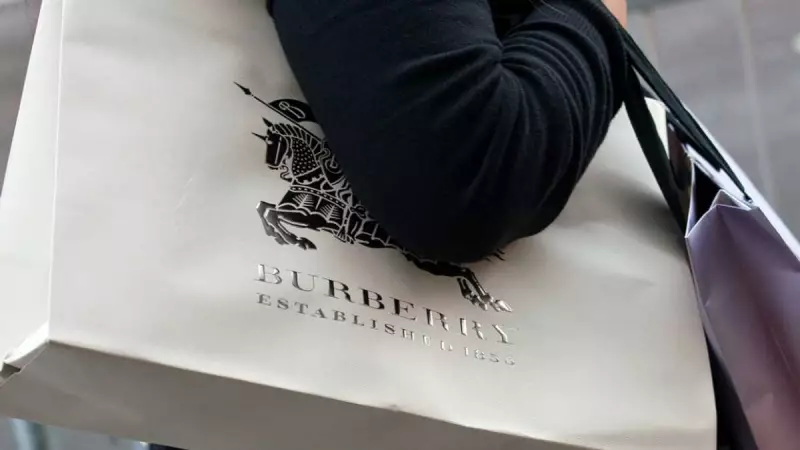
British luxury fashion house Burberry has reported a significant reduction in its net losses for the first half of its financial year, signalling that its major strategic overhaul is beginning to yield positive results.
Financial Performance Shows Improvement
In the six months leading up to the end of September, Burberry's net loss narrowed dramatically to £26 million (approximately $34 million). This marks a substantial improvement compared to the loss after tax of £74 million recorded during the same period the previous year.
The company's leadership attributes this positive shift to the comprehensive turnaround strategy, known as Burberry Forward, which was initiated in November of the previous year. This plan was a direct response to a challenging period for the luxury sector, particularly driven by a notable drop in demand from the critical Chinese market.
The Burberry Forward Turnaround Strategy
Faced with declining sales, the iconic trench coat maker launched a decisive cost-saving programme. A key part of this revitalisation effort has been a renewed focus on its heritage: outerwear. The brand is betting on its classic strengths to rebuild its market position and brand relevance.
Chief Executive Joshua Schulman, who was appointed in July last year following the departure of former CEO Jonathan Akeroyd, expressed cautious optimism. In the earnings statement released on Thursday, 13th November 2025, Schulman stated, "While it is still early days and there is more to do, we now have proof points that Burberry Forward is the right strategic path to restore brand relevance and value creation."
Market Recognition and Ongoing Challenges
Signs of the brand's recovery were already visible in the market. In a significant vote of confidence, Burberry rejoined London's prestigious FTSE 100 index in September, a year after it had been demoted from the top-tier shares index.
Despite the improved bottom line, the company is not yet completely in the clear. The group announced that total sales for the first half fell by five percent to £1.0 billion, indicating that the road to full recovery still requires navigating a difficult trading environment. The luxury market continues to feel the pressure from global economic headwinds.