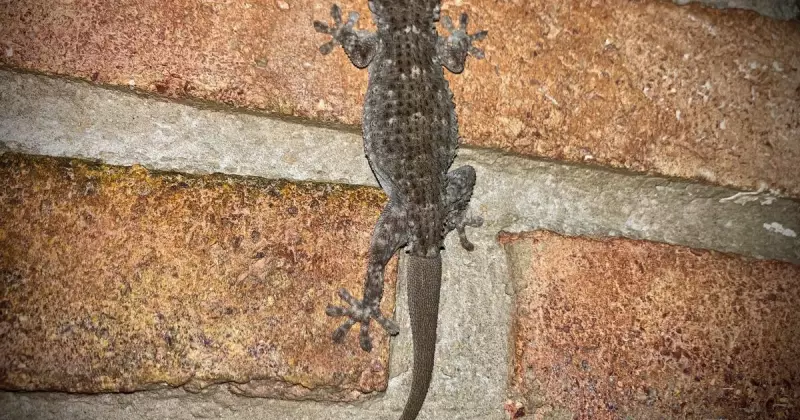
For generations, wall geckos have been a familiar sight in Nigerian homes, scurrying across walls and ceilings while accumulating a wealth of cultural beliefs and superstitions. These small reptiles have been labeled everything from spiritual messengers to poisonous pests, but what does science actually reveal about them?
The Cultural Significance of Wall Geckos in Nigeria
Across Nigeria, particularly in Yoruba communities, wall geckos hold significant cultural meaning. Many Nigerians grew up hearing warnings about harming these creatures, with beliefs suggesting that killing a wall gecko could cause a house to collapse. This earned them the nickname "omo onile" (child or owner of the house), treating them as sacred tenants that shouldn't be disturbed.
Modern searches reflect these deep-seated beliefs, with Nigerians asking questions like "Is a wall gecko good or bad?" and "What does the Bible say about geckos?" Some even wonder if geckos deliver spiritual messages or serve as witches' spies.
Scientific Truth Behind Common Gecko Myths
Myth 1: Wall Geckos Are Guardians of the House
The widespread belief that harming a wall gecko will cause building collapse has no scientific basis. Structural failures result from poor construction methods, inadequate materials, or foundation issues - not from disturbing lizards. If geckos truly controlled building stability, construction sites across Nigeria would require gecko supervision teams.
Myth 2: Wall Geckos Are Poisonous
Many Nigerians fear that wall gecko contact with food or personal items can cause poisoning, epilepsy, or even death. Scientific evidence confirms that wall geckos are neither poisonous nor venomous. They don't produce toxins, and their saliva poses no lethal threat. While hygiene concerns warrant keeping them away from food preparation areas, they're not toxic creatures.
Interestingly, wildlife expert Arojinle confirms that geckos can be consumed safely. In several Asian countries including China and Vietnam, geckos are farmed for both food and medicinal purposes.
Myth 3: Geckos Are Spiritual Messengers
The gecko's ability to appear and disappear silently while clinging to walls has led to beliefs that they're spiritual messengers from ancestors or deities. The reality involves physics, not supernatural forces. Wall geckos utilize microscopic hairs on their toes and Van der Waals forces to achieve their remarkable climbing abilities - not spiritual connections.
Myth 4: Chirping Predicts Financial Fortune
In some Nigerian households, gecko chirps bring excitement about incoming wealth, while others interpret the same sounds as financial doom warnings. Science reveals that these vocalizations serve practical communication purposes - attracting mates, warning rivals, and marking territory. The sounds have no connection to financial forecasting.
Myth 5: Geckos Serve as Witches' Spies
Perhaps the most alarming myth suggests that wall geckos, particularly those seen at night or with unusual coloring, serve as spies from "village people" sent to monitor or curse individuals. The truth is far more mundane: wall geckos are nocturnal hunters seeking insects attracted to indoor lights. They're hunting mosquitoes and other pests, not gathering intelligence for spiritual attacks.
The Real Benefits of Wall Geckos
Rather than fearing or worshipping wall geckos, Nigerians should appreciate their practical benefits. These creatures are natural pest control agents that consume mosquitoes, flies, cockroaches, and other unwanted insects. Every gecko in your home represents free, chemical-free pest management.
Wall geckos enter homes seeking three basic necessities: food, shelter, and warmth. They're harmless, non-poisonous, and actually contribute to a healthier living environment by reducing insect populations.
The next time you spot a gecko darting across your wall, remember that you're witnessing nature's pest control service in action - not a spiritual omen or dangerous creature. Understanding the scientific truth about these common household reptiles can help replace superstition with appreciation for their ecological role.