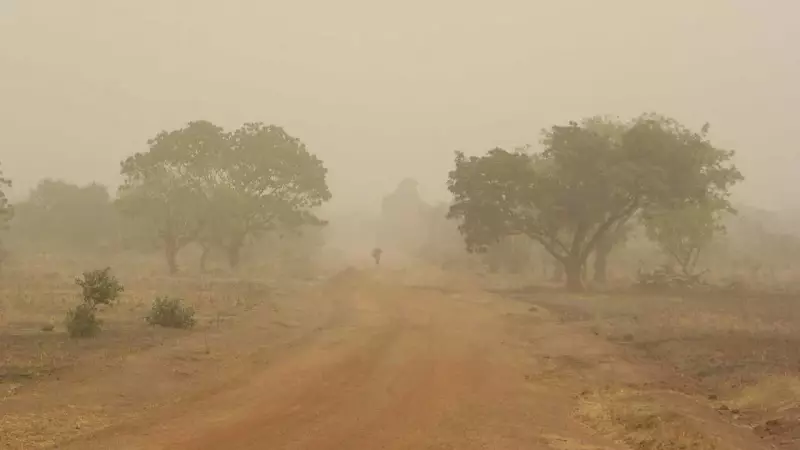
The Harmattan season has officially arrived across Nigeria, bringing with it its characteristic dusty winds and chilly mornings that signal the beginning of this annual weather phenomenon. From the northern regions to southern states, Nigerians are waking up to colder temperatures, reduced visibility, and that familiar dryness that defines this period from November through February.
Understanding Harmattan's Impact on Daily Life
The Harmattan season presents multiple challenges that affect health, safety, and overall wellbeing. While many appreciate the cooler temperatures it brings, the season also introduces several risks that require careful attention and preventive measures. The combination of dry, dusty winds and significant temperature variations creates unique circumstances that can impact everything from personal health to public safety.
Fire Safety During Extreme Dryness
One of the most dangerous aspects of Harmattan is the increased risk of fire outbreaks. The extreme dryness affects everything from vegetation to household materials, creating perfect conditions for fires to spread rapidly. Electrical faults that might be minor during other seasons can become major hazards, while unattended candles or cooking fires can lead to devastating consequences.
Experts recommend several crucial fire safety measures: never leave candles or cooking unattended, thoroughly inspect electrical wiring before using seasonal appliances, and keep fire extinguishers or buckets of sand readily accessible. These precautions might seem excessive during normal conditions but become essential during Harmattan when the smallest spark can ignite major blazes.
Road Safety in Reduced Visibility
The hazy conditions that create picturesque mornings also pose significant dangers on Nigerian roads. Reduced visibility during Harmattan contributes to increased accident rates as drivers struggle to see clearly through the dust-filled air. Dust storms can appear suddenly, while the fine dust layer on roads creates slippery surfaces that affect vehicle control.
Road safety authorities advise drivers to use headlights even during daytime hours, maintain greater following distances between vehicles, and reduce speeds significantly, especially on highways. The added patience required during Harmattan driving conditions can mean the difference between arriving safely at your destination or becoming part of seasonal accident statistics.
Health Challenges and Protective Measures
Combating Dehydration and Fatigue
Many Nigerians underestimate how quickly Harmattan conditions can lead to dehydration. The dry air causes moisture to evaporate from your body rapidly, even without noticeable sweating. This often results in fatigue, headaches, and difficulty concentrating that can affect workplace productivity and overall wellbeing.
Health professionals recommend carrying reusable water bottles and drinking regularly throughout the day, consuming water-rich fruits like watermelon and oranges, enjoying herbal teas for both hydration and warmth, and moderating intake of caffeine and alcohol which can further dehydrate the body. Staying properly hydrated helps maintain energy levels and cognitive function during this challenging season.
Skin and Lip Care in Dry Conditions
The low humidity characteristic of Harmattan extracts moisture from skin and lips, leading to uncomfortable cracking, flaking, and irritation. Areas like hands, elbows, and facial skin become particularly vulnerable to the drying effects of constant dust exposure.
Dermatologists suggest daily application of natural moisturizers like shea butter or coconut oil, avoiding long hot showers that strip protective oils from skin, keeping lip balm readily available in multiple locations, and maintaining internal hydration through adequate water intake. These simple practices can prevent the painful cracking and itching that many experience during this season.
Respiratory Health Protection
Harmattan season brings increased cases of colds, flu, and respiratory conditions like asthma. The dust particles circulating in the air carry various allergens and irritants that can trigger breathing difficulties and infections. The sudden temperature changes between night and day further challenge the respiratory system.
Medical experts recommend several protective strategies: consuming vitamin C-rich foods like oranges and guavas to boost immunity, drinking warm beverages to soothe airways, ensuring adequate sleep to strengthen the body's defenses, wearing masks outdoors to filter dust, using humidifiers indoors to counteract dry air, and avoiding dusty areas during peak wind hours. Asthma sufferers should always keep inhalers accessible and be particularly cautious about exposure.
Eye Care and Infection Prevention
The dusty Harmattan winds can make being outdoors feel like an assault on your eyes. Dust particles not only cause immediate irritation but can carry bacteria that lead to more serious conditions like conjunctivitis if proper care isn't taken.
Optometrists advise wearing sunglasses outdoors to protect against both dust and UV radiation, using saline eye drops to soothe irritation, resisting the urge to rub eyes no matter how tempting, and maintaining overall facial hygiene. Those who wear contact lenses may need to be particularly vigilant about lens cleanliness during this season.
Hair Maintenance Against Static and Damage
Harmattan conditions notoriously affect hair health, causing frustrating static, frizz, and breakage. The dry air draws moisture from hair strands, making management difficult and styling challenging, particularly for those with natural hair textures.
Hair care specialists recommend intensive deep conditioning treatments to restore moisture, protective styles like braids and buns that minimize exposure and breakage, and reduced use of heat styling tools that can compound the drying effects. Regular oil treatments can help maintain scalp health and prevent the flakiness that often accompanies this season.
Embracing Harmattan's Positive Aspects
Despite its challenges, Harmattan also brings beautiful golden sunsets, crisp refreshing mornings, and relief from humid heat. With proper precautions and awareness, Nigerians can not only survive but genuinely enjoy this unique seasonal experience. The key lies in understanding the specific risks and implementing the simple, effective strategies that make navigating Harmattan both safe and comfortable.
By paying attention to fire safety, road conditions, hydration, skin protection, respiratory health, eye care, and hair maintenance, you can transform Harmattan from a season of challenges into a period of enjoyable weather and beautiful scenery. The careful balance of preparation and adaptation makes all the difference in thriving during these dusty months.