In Nigeria, your smartphone serves as more than just a communication tool—it operates as a powerful social statement that speaks volumes about your identity and position in society. From bustling Lagos markets to corporate boardrooms in Abuja, the device you carry often influences how people perceive and interact with you.
The Psychology of Phone Brands as Social Currency
Nigerian society places significant emphasis on appearance and perception, making smartphones crucial indicators of status, lifestyle, and ambition. Your phone frequently attracts more attention than your clothing or accessories, functioning as portable social currency that symbolizes affluence, progress, and personal taste.
This cultural phenomenon transforms ordinary gadgets into identity markers. For many Nigerians, phone selection involves careful consideration of what the device communicates about their financial standing and social positioning. The subtle logo on your screen can trigger immediate assumptions about your personality and success level.
iPhone Users: The Premium Status Club
Apple's iPhone occupies the top tier in Nigeria's phone hierarchy, representing luxury and sophistication. Owning an iPhone signifies membership in an exclusive cultural club where users are automatically perceived as affluent individuals who appreciate quality and elegance.
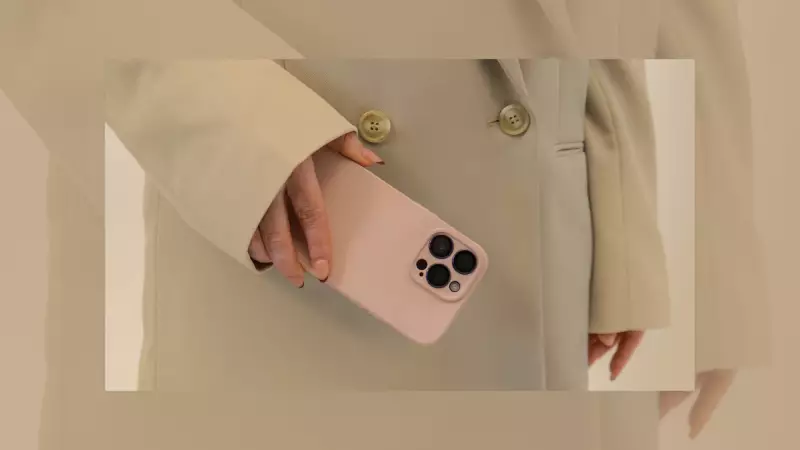
Within the iPhone ecosystem, a clear internal hierarchy exists where specific models carry distinct social weight. While iPhone XR or iPhone 11 users receive admiration, those wielding iPhone 15 Pro Max devices command noticeably different treatment. Nigerians have become adept at assessing status levels through camera count—single lens indicates Apple appreciation, dual lenses suggest comfortable financial standing, and triple camera systems signal elite status.
The recent Blord iPhone 17 controversy highlighted how deeply this status culture permeates Nigerian society. The case revealed the intense pressure many feel to appear current with the latest iPhone models, even when financial constraints make genuine upgrades challenging.
Samsung Users: Understated Professionalism
Samsung smartphone users in Nigeria typically project an image of quiet sophistication and practical professionalism. These individuals are often viewed as achievement-oriented people who prioritize functionality over fashion statements.
The Samsung brand maintains its own internal stratification within Nigerian phone culture. Galaxy A-series users represent practical realists who value reliability, while Galaxy S-series owners occupy a more premium space as refined achievers. Samsung Fold and Flip users sit at the brand's apex, with their distinctive devices earning immediate respect in business meetings and social gatherings.
This segment of phone users generally comprises professionals and creatives who appreciate high performance without requiring external validation through brand recognition.
Tecno, Infinix and Itel: The Practical Majority
These budget-friendly brands form the backbone of Nigeria's mobile landscape, dominating markets, universities, and workplaces nationwide. These devices are engineered for Nigerian realities with features like extended battery life, dual SIM capabilities, and enhanced durability.
Despite their widespread adoption, users of these brands often receive less social recognition than their iPhone and Samsung counterparts. However, a 2024 study by Kizito Alakwe demonstrated how influencer marketing and social media trends are gradually shifting public perception. Local celebrity endorsements transform these devices from "cheap alternatives" to "savvy choices" in the public consciousness.
Google Pixel and Xiaomi: The Tech-Savvy Insiders
These niche brands attract discerning users who prioritize specifications over social signaling. Google Pixel users typically include developers, photographers, and minimalists who appreciate clean software interfaces and powerful camera systems.
Xiaomi and Redmi devices appeal to smart consumers seeking flagship features without premium pricing. These brands are cultivating loyal followings among Nigerians who view technological knowledge as its own form of social capital.
Phones as Social Determinants
Smartphones significantly influence social interactions across various Nigerian contexts. In banking environments, social events, and casual meetings, your device can affect how service providers and acquaintances treat you.
This dynamic extends to digital spaces where influencers prominently display latest iPhones in content, while creatives showcase Samsung Folds as professional tools. Even romantic relationships feel this influence, with potential partners sometimes assessing compatibility through device choices.
Ultimately, phone brands in Nigeria have evolved into extensions of personal identity, reflecting how Nigerians navigate complex social hierarchies in an increasingly digital world. While your device doesn't define your worth, it undoubtedly communicates important aspects of your personality, aspirations, and social positioning to those around you.