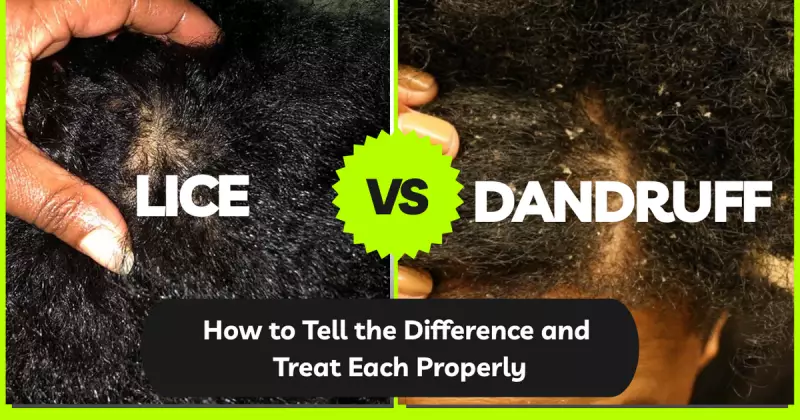
If you find yourself scratching your head and noticing white specks on your clothes, your immediate assumption might be dandruff. However, in many cases, that persistent itch is not caused by dry skin but by a much more active problem: head lice.
Why the Confusion Between Lice and Dandruff is Common
Head lice and dandruff present with similar symptoms, leading to frequent misdiagnosis. Many people mistakenly treat a lice infestation as if it were dandruff, only to find their efforts are futile. This confusion can be particularly prolonged in Nigeria, where some individuals resort to unconventional remedies like kerosene or other harsh hair products to address scalp issues.
The critical difference is that lice are contagious, living parasites, while dandruff is a non-contagious skin condition. Understanding this distinction is the first step to effective treatment.
Identifying the Invader: Head Lice Explained
Head lice are minuscule insects that infest human hair, feeding on small amounts of blood from the scalp. They reproduce by laying eggs, known as nits, which they cement firmly to individual hair strands close to the scalp.
Key characteristics of head lice include:
- They are alive and can move.
- They are highly contagious.
- Their eggs (nits) are firmly attached and will not brush off easily.
Transmission typically occurs through direct head-to-head contact or by sharing personal items such as combs, brushes, hats, scarves, and pillows. This is why outbreaks spread rapidly in environments like schools, salons, university hostels, and even on crowded public transport.
Understanding the Flakes: What is Dandruff?
Dandruff, medically known as seborrheic dermatitis, is a common scalp condition. It is often triggered by an overproduction of skin oil, irritation, or an overgrowth of a natural skin yeast called Malassezia.
Signs of dandruff are:
- White or yellowish flakes that fall freely from the scalp.
- A dry or sometimes oily scalp.
- Mild to moderate itching.
- Flakes that easily shake loose onto shoulders.
Unlike lice, dandruff is not contagious. It cannot be caught from another person. Flare-ups are often linked to factors like stress, infrequent hair washing, the use of harsh shampoos, or certain skin conditions.
A Practical Guide to Spotting the Difference
To correctly identify your scalp issue, look for these tell-tale signs:
For Lice: The itching is often intense and persistent, accompanied by a distinct sensation of something crawling or moving on the scalp, especially around the ears and nape of the neck. Upon close inspection near the scalp, you may see tiny, moving insects or small, oval-shaped nits glued to the hair shaft. These nits cannot be flicked off; they must be physically slid off the hair strand.
For Dandruff: The flakes are loose and fall away readily when scratching or brushing the hair. The scalp may feel dry, tight, or slightly itchy, but there is no crawling sensation. Symptoms often improve with regular washing using an anti-dandruff shampoo.
Another major clue is spread. Dandruff remains a personal issue. If multiple people in your household or close circle suddenly develop similar intense itching, it strongly points to a lice infestation.
Effective Treatment Strategies for Nigeria
Using the wrong treatment wastes time and resources. Here is the correct approach for each condition.
Treating Head Lice: Standard shampoo is ineffective. A two-pronged approach is necessary:
- Use a medicated lice treatment shampoo or lotion containing ingredients like permethrin or pyrethrin, approved for adults and children over two years.
- Comb through wet hair meticulously with a fine-toothed nit comb to remove all eggs.
Concurrent environmental cleaning is crucial. Wash all bedding, recently worn clothing, and towels in hot water and dry on high heat. Repeat the medicinal treatment after 7 to 10 days to kill any newly hatched lice. Everyone in the household must be checked and treated if necessary to prevent re-infestation. Note that home remedies like olive oil or vinegar may suffocate some lice but are unreliable for eliminating all eggs.
Treating Dandruff: Management is generally straightforward with consistent care:
- Use a dedicated anti-dandruff shampoo containing active ingredients like ketoconazole, selenium sulfide, salicylic acid, or coal tar.
- Wash your hair regularly, at least twice a week, massaging the shampoo gently into the scalp.
- Avoid harsh hair chemicals and heavy oil treatments that can build up.
- Moisturise the scalp with light, non-comedogenic oils if dryness is a factor.
Consistency is key; results are usually seen after 2 to 3 weeks of regular treatment.
Prevention is Better Than Cure
To prevent lice: Avoid sharing personal hair items (combs, brushes, hair ties, caps). Discourage children from direct head-to-head contact during play. Keep personal hair tools clean and separate.
To prevent dandruff: Maintain a regular hair-washing routine with a gentle, moisturising shampoo. Manage stress levels and avoid excessive use of heavy styling products that can irritate the scalp.
When to See a Doctor: Consult a healthcare professional if itching becomes severe, if you notice signs of infection (redness, sores, pus), or if over-the-counter treatments fail to work after two weeks of proper use. Ignoring persistent scalp problems can lead to secondary infections and hair damage.
While lice and dandruff can initially appear similar, they demand completely different responses. By learning to identify the specific signs, you can take swift, effective action to restore your scalp health.