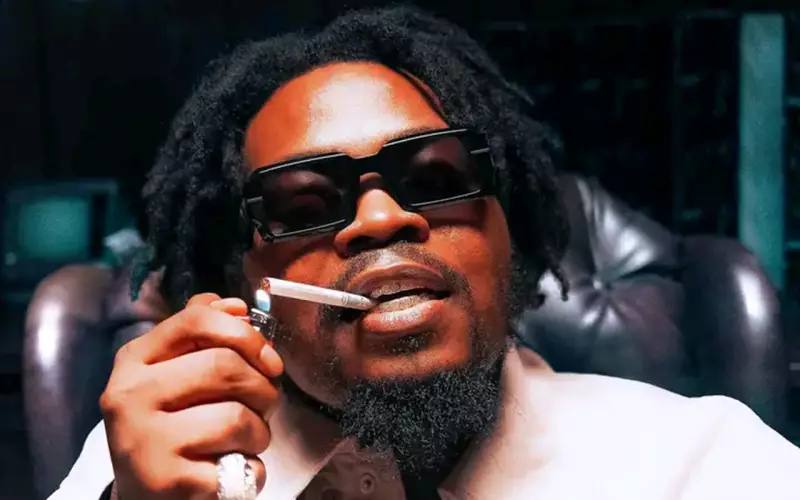
Popular Nigerian rapper and YBNL boss Olamide has broken his silence following widespread criticism of his recent statement ranking Wizkid as the greatest Afrobeats artist after the legendary Fela Anikulapo Kuti.
The Controversial Statement
During a recent visit to York University in Toronto, Olamide made the comment that quickly went viral across social media platforms. The rapper declared, "I have had the privilege of working with Wizkid, we have made so many songs together. You know say after Fela, Wizkid is the greatest Afrobeats artist ever."
The statement was made on Thursday, November 13, 2025, during an event where Olamide discussed his long-standing professional relationship with Wizkid. Almost immediately, the comment sparked intense reactions from music fans across Nigeria and the diaspora.
Social Media Backlash and Support
The declaration reignited the long-running debate about who truly deserves the top spot in Afrobeats among the so-called "Big 3" - Wizkid, Davido, and Burna Boy. While some social media users supported Olamide's ranking, many others criticized the statement vehemently.
One Twitter user questioned the timing of the praise, stating: "Of course, what else will he say. Wizkid has not yet dropped any music to justify this acclaim." Another user brought historical context into the argument, mentioning: "Yoruba people think too highly of themselves. Mentioning Fela means you are speaking of revolutionary artiste. Fela did his, but the impact of 2face and Dbanj gave younger acts a chance."
However, not all reactions were negative. One supporter countered: "Olamide is right and we have morayor and the morayor tour to verify the words I speak," referencing the collaborative history between Olamide and Wizkid.
Olamide's Calming Response
In a follow-up post on X on Friday evening, November 14, 2025, Olamide addressed the growing controversy and called for calm among fans. The rapper emphasized that the debate should not lead to arguments that undermine the achievements of any artiste.
Olamide wrote: "Honestly, this whole lengthy 3 way conversation is pretty much whatever. You cannot diminish anyone's greatness, whether they are A list, B list, or anything else. Feel free to believe what you want or support whoever you choose, there is plenty of room in the sky for everyone."
He further explained that the artists at the center of the debate themselves don't engage in such arguments. "One thing to remember is that Burna, David, and Wiz are not narrow-minded enough to get offended by someone else's opinion or perspective. That is part of why they have reached where they are today," he added.
Historical Context of the Big 3 Debate
The argument about Nigeria's top musical talents has evolved alongside the global rise of Afrobeats. For over a decade, Wizkid, Davido, and Burna Boy have been widely regarded as the three leading artists of their generation.
The criteria for these positions typically include hit records, international touring power, cultural influence, and career longevity. However, this isn't the first era to feature a dominant trio in Nigerian pop music.
Previous musical eras featured their own leading groups:
- Between 1999 and 2004: Paul Play Dairo, Tony Tetuila, and Eedris Abdulkareem
- From 2004 to 2008: 2Baba, Dbanj, and P Square dominated mainstream music
- Between 2008 and 2010: Wande Coal, Banky W, and MI held strong positions with RnB and Hip Hop
- Between 2010 and 2012: Wizkid, Iyanya, and Ice Prince emerged as key voices
- From 2012 onward: Wizkid, Davido, and Olamide shaped the new Afropop sound
By 2018, Burna Boy's global prominence elevated him to join Wizkid and Davido at the top tier. Meanwhile, a younger generation including Asake, Rema, Ayra Starr, Omah Lay, Fireboy, BNXN, Oxlade, and Seyi Vibez continues to expand the conversation with their chart success and streaming strength.
Olamide's Message of Unity
Throughout his response, Olamide maintained that personal opinions should not divide fans or discredit any artist's contributions to the music industry. He emphasized that top artists remain focused on their creative work and don't take social media arguments personally.
The rapper's final message reiterated his belief in abundance rather than competition: "There is plenty of room in the sky for everyone." This perspective aligns with the growing international market for Afrobeats, suggesting that multiple artists can achieve global success without diminishing others' accomplishments.
The incident highlights the passionate nature of Nigerian music fandom and the ongoing conversation about artistic legacy in the country's vibrant music scene.