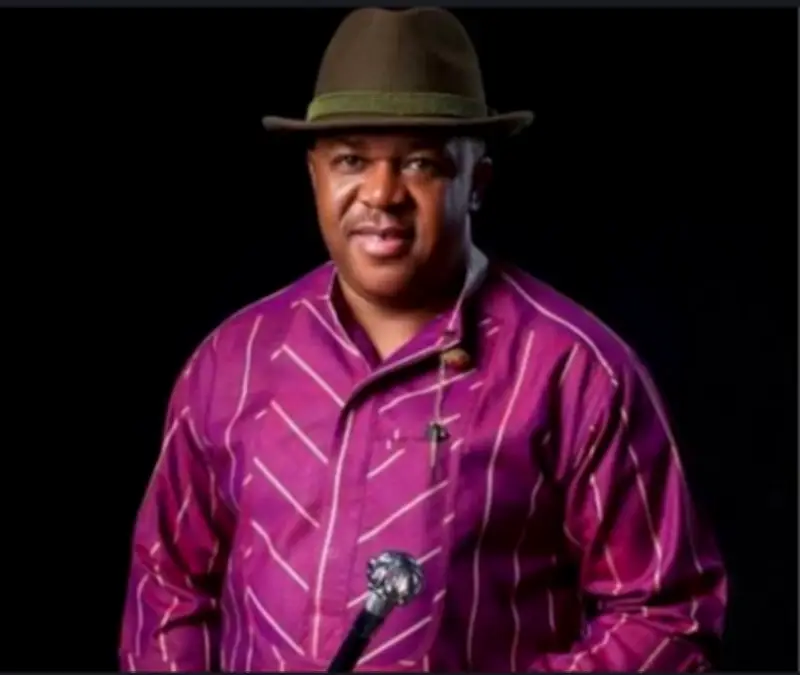
Veteran Nollywood actor Francis Duru has ignited a fresh debate within the Nigerian film industry by asserting that while Igbo entrepreneurs were instrumental in building modern Nollywood, Yoruba filmmakers have become more dominant in the industry today.
Speaking during an interview on the program Gbam, Duru acknowledged the foundational role played by Igbo businesspeople in establishing the home-video sector, which evolved into what is now globally recognized as Nollywood. However, he argued that the Yoruba community has been more effective in supporting and promoting its own filmmakers and cultural productions.
Duru: Igbos Created Nollywood, But Yorubas Thrive
“We [Igbos] created Nollywood, but if you go to Netflix today, you hardly see one movie that speaks of Igbo heritage,” Duru stated during the interview. His comments highlight a perceived disparity between the community that pioneered the industry and the one that now appears to dominate mainstream platforms.
The actor, known for his roles in numerous classic Nollywood productions, did not stop at pointing out the imbalance. He urged his fellow Igbos to take a page from the Yoruba community’s playbook, emphasizing the importance of protecting and projecting one’s culture through the arts.
Call for Igbo Unity and Cultural Promotion
Duru stressed that his remarks were not intended as an attack on Yoruba filmmakers, many of whom he respects and has worked alongside. Instead, he framed his comments as a constructive call for the Igbo community to be more intentional about preserving and showcasing its cultural identity in the film industry.
He pointed to the Yoruba example as a model of cultural solidarity, where filmmakers, producers, and audiences have created a self-sustaining ecosystem that consistently produces content reflecting Yoruba language, traditions, and stories. This, he argued, has allowed Yoruba cinema to thrive on both local and international platforms.
Industry Reactions and the Path Forward
Duru’s interview, published by Linda Ikeji on 29 August 2026, has already sparked conversations across social media, with many Nigerians weighing in on the state of Igbo representation in Nollywood. Some have echoed his concerns, noting the scarcity of Igbo-language films on major streaming services, while others have defended the current landscape as a reflection of market dynamics.
Regardless of the varied opinions, Duru’s message is clear: the Igbo community must invest in and support its own stories if it wishes to see them represented on platforms like Netflix. His call to action serves as a reminder that cultural preservation in the arts requires deliberate effort and community backing.