In the world of cinema, some performers do more than simply act—they become the characters they portray. The moment their name appears on screen, audiences already know exactly what to expect from their performance.
The Double-Edged Sword of Typecasting
This phenomenon isn't accidental. It's called typecasting, and it represents both entertainment's most reliable tool and its most frustrating limitation. While it can restrict an actor's range, it also has the power to immortalize them in cultural memory.
Typecasting creates immediate familiarity, establishes cultural shorthand, and builds a shared language that connects generations of viewers. Across both Nollywood and Hollywood, certain performers have become permanently associated with specific character types.
Nollywood's Unforgettable Character Archetypes
Sola Sobowale has become synonymous with powerful maternal figures in Nigerian cinema. Long before her iconic role in King of Boys cemented her status, she had already built an impressive portfolio of fierce, emotional women who command every scene.
In The Wedding Party, she portrayed Tinuade Coker—the dramatic, controlling, yet fiercely loving mother-in-law. Her performance as Eniola Salami in King of Boys showcased such depth and complexity that it became her career-defining masterpiece.
Patience Ozokwor represents another level of typecasting success. She has become the definitive embodiment of the wicked mother-in-law, stepmother, or auntie in Nollywood lore. Her roles in classics like Mother-in-Law and Authority established her as the face of domestic oppression in early Nigerian cinema.
What makes Ozokwor's performances so compelling is the emotional truth she brings to even the most villainous characters. Her portrayals of bitterness, envy, and manipulation come from a deep understanding of human psychology.
The Patriarchs and Comedic Legends
Pete Edochie commands authority simply by walking onto a set. For decades, he has served as Nollywood's go-to father figure, king, chief, or spiritual leader. His legendary portrayal of Okonkwo in Things Fall Apart secured his place in African cinematic history.
Edochie doesn't need to raise his voice to dominate a scene—his presence alone elevates the atmosphere. Films like Igodo and Lionheart have further solidified his status as Nollywood's most respected patriarch.
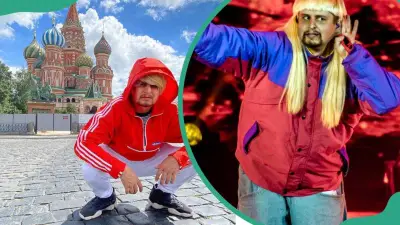
In the comedy realm, Nkem Owoh (popularly known as Osuofia) mastered chaotic comedic timing long before memes became mainstream. His performances in Osuofia in London and Ukwa established him as the face of cunning humor and street wisdom.
Owoh's typecasting success stems from his impeccable improvisation skills and his remarkably expressive face that can convey multiple emotions within seconds.
Nollywood's Romantic Leads
The Nigerian film industry has also developed its own stable of reliable romantic leads. Timini Egbuson has essentially become his own genre, playing the stylish, emotionally complex upwardly mobile romantic lead in films like Elevator Baby and Breaded Life.
Daniel Etim Effiong brings philosophical depth to romantic roles. Whether in Plan B or The Men's Club, he portrays lovers with vulnerability and sincerity, making romance feel authentic and believable.
Kunle Remi and Richard Mofe-Damijo (RMD) complete this quartet of romantic typecasting. Remi often plays the attractive but flawed seducer, while RMD has built a career on portraying mature, elegant men with ageless charm.
Comedy Queens and Hollywood Parallels
Funke Akindele represents the blueprint of Nollywood comedy. From her iconic Jenifa character to Omo Ghetto, she specializes in playing exaggerated yet lovable women whose humor stems from real-life struggles.
Bimbo Ademoye brings both beauty and comedic firepower to her roles as the adorable, slightly dramatic sweetheart in films like Selina and Breaded Life.
This typecasting phenomenon extends globally, with Hollywood stars like Samuel L. Jackson consistently playing shouty, sarcastic badasses, and Dwayne Johnson forever cast as the muscular hero who saves the day.
Ryan Reynolds has built an entire career on sarcastic, meta-humorous characters, while Morgan Freeman remains the go-to choice for wise narrators and authoritative figures.
The Typecasting Dilemma
Typecasting presents actors with a complex dilemma. Many spend their entire careers trying to escape being pigeonholed, yet these very roles are what make them unforgettable to audiences.
For viewers, typecasting provides comfort and familiarity. For filmmakers, it offers reliability and predictable box office returns. For the actors themselves, it represents both a professional cage and a crowning achievement—a testament to their ability to so thoroughly embody a character that they become inseparable from it in the public imagination.
Whether in Nollywood or Hollywood, the power of typecasting continues to shape the stories we love, the characters we remember, and the cultural icons we celebrate for generations.