A Nigerian man has experienced a stark lesson in the real-world impact of online behavior after losing a potential job opportunity with renowned chess champion, Tunde Onakoya. The incident, which unfolded on social media, has ignited a vigorous national conversation about professionalism, digital footprints, and accountability.
The Missed Opportunity and the Digital Dealbreaker
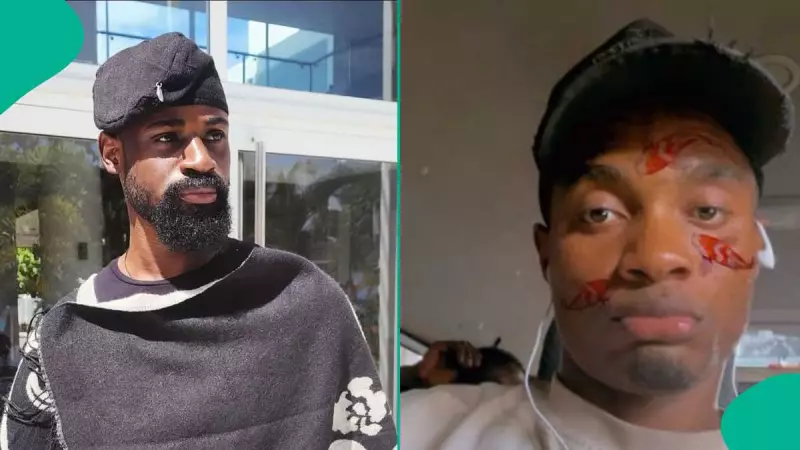
The applicant, identified on the X platform as @alexixdgreat, expressed interest in a publicly advertised position for the role of Executive Assistant to Tunde Onakoya. However, he made a preliminary error by commenting "I'm interested sir" directly on the public post, rather than following the explicit instruction to send a direct message or email.
While this misstep was noted by other users, Onakoya revealed it was not the primary reason for the rejection. The chess master shared a screenshot of a separate comment made by the same applicant just days earlier. In that post, the applicant had made a derogatory and generalized statement about women with blonde braids, writing: "Their obough na 2k."
Onakoya stated this disrespectful comment was the true dealbreaker. He defended his decision on his X account, emphasizing the importance of personal responsibility in the digital age. "It's irresponsible to spend your time trolling on social media and still seek serious work opportunity with the same account. People whose lives matter to them check for these little things," Onakoya tweeted.
Nigerians React: Praise and Pushback
The decision prompted a flood of reactions from Nigerians online, sharply divided between support and criticism.
Many users applauded Onakoya's stance, viewing it as a necessary step towards professional accountability. User @kunle_kenny wrote, "I'm just glad his foolishness was called out. Maybe, just maybe society can get better when we deny foolish people opportunities." Another user, Clara, supported the move, suggesting other organizations should also check the digital footprints of potential employees to truly understand their character.
Others highlighted the broader lesson. @Aniekanabasi commented, "Love it. We have tooooooo many young people who don't understand the implications of careless digital behavior." A different user pointed out the risk to a brand, stating, "You can't hire someone who says [things] online, has nothing to lose and wants to work for someone who has a brand to protect."
However, a segment of users argued the punishment was disproportionate. Some contended that social media platforms like X are spaces for alter-ego expression distinct from professional conduct on networks like LinkedIn. User @sunkanmi_debayo argued, "Being a X-clown doesn't make one unprofessional... X is for alter-ego expression." Another user sarcastically compared Onakoya's decision to celebrities who support colleagues despite public scandals.
The Lasting Lesson on Digital Footprints
This incident, which occurred in January 2026, serves as a potent case study for professionals and job seekers across Nigeria. It underscores a growing trend where employers consider an individual's online persona as part of their overall character assessment.
The core message from Onakoya's action is clear: online actions have offline consequences. In an interconnected world, the line between personal social media activity and professional opportunity is increasingly blurred. The episode reinforces the need for mindful engagement online, as past comments can resurface and directly impact future prospects, especially when seeking to work with public figures and brands that value their reputation.
Ultimately, Tunde Onakoya's refusal to hire the applicant based on his derogatory posts has provided a national teachable moment on the permanent nature of digital footprints and the real-world price of online incivility.