The Nigerian Broadcasting Commission (NBC) has officially launched a public consultation to gather contributions for a comprehensive review of the Nigeria Broadcasting Code. This move responds to the rapidly evolving digital media landscape.
NBC Aims to Modernize Broadcasting Regulations
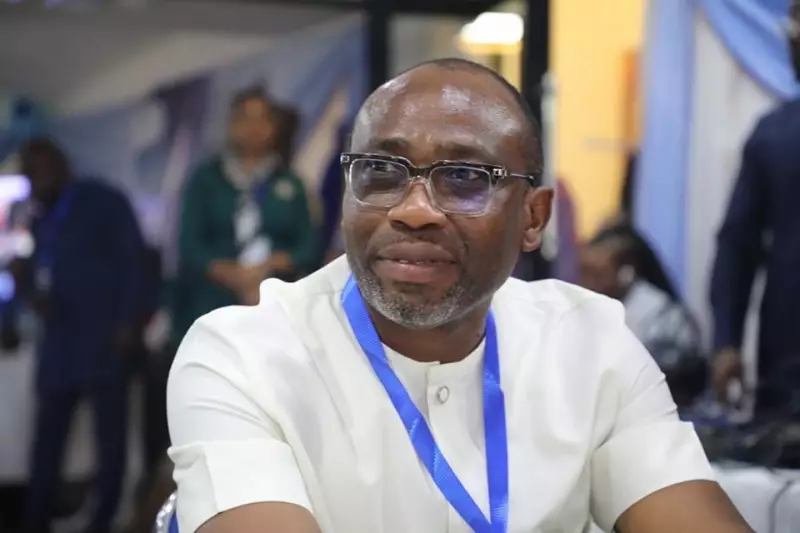
In a significant step towards regulatory modernization, the NBC Director General, Mr. Charles Ebuebu, announced the commission's plan to revise the 6th Edition of the Code. The objective is to align national broadcasting standards with contemporary technological advancements.
"NBC is reviewing the 6th Edition of the Nigeria Broadcasting Code to reflect today's digital realities: streaming platforms, social media, and new technologies," Ebuebu stated. This review process directly addresses long-standing calls from various industry stakeholders for an update to the governing framework.
Who Can Contribute to the New Broadcasting Framework?
The commission is casting a wide net for insights. It has expressly invited broadcasters, content creators, academic scholars, regulators, and all interested parties within Nigeria's media ecosystem to participate. The goal is to harness diverse perspectives to shape a forward-looking policy.
"We invite broadcasters, creators, scholars, regulators, and every stakeholder in Nigeria's media ecosystem to share ideas that will shape the future of broadcasting," the Director General emphasized.
How and Where to Submit Your Contributions
Interested individuals and organizations are advised to submit their written contributions through the following channels:
- Physical copies can be sent to: The Director-General, NBC, 20 Ibrahim Taiwo Road, Asokoro, Abuja.
- Soft copies should be emailed to: [email protected] or [email protected].
Concluding his announcement, Ebuebu framed the initiative as a collaborative national effort. "Together, let's build a broadcasting framework that protects audiences, rewards creativity, and keeps Nigeria ahead of the digital curve," he stated.
This open call for contributions marks a pivotal moment for Nigeria's media industry, setting the stage for regulations that could define its operation in the digital age for years to come.