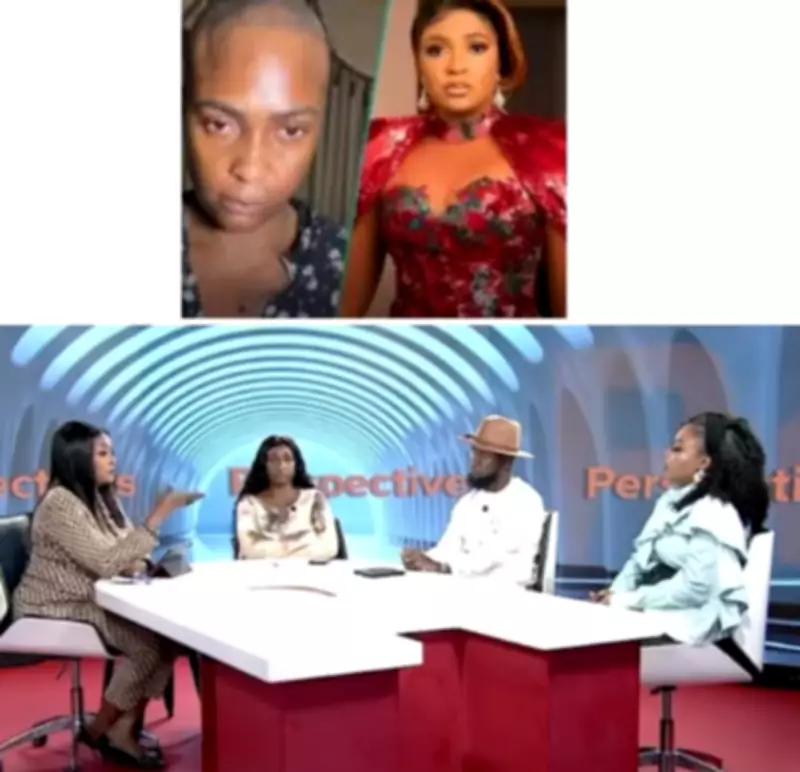
Nigerian Doctor Challenges Influencer's Stage 4 Cancer Assertion on Live Television
Significant doubts have emerged regarding the claim made by social media influencer Blessing "CEO" Okoro that she is battling stage 4 cancer. The controversy unfolded during a live broadcast on Arise TV on Saturday, April 4, where Okoro appeared alongside Nigerian medical practitioner Dr Adefunke Arowolo to discuss her health situation.
Discrepancies in Medical Narrative Highlighted
During the program, Dr Arowolo meticulously pointed out numerous inconsistencies in Okoro's account of her diagnosis. Okoro recounted that she initially visited a hospital after discovering a lump in her breast, and a test allegedly indicated it was non-cancerous. She claimed she returned months later for another examination, which then revealed the lump was cancerous and had progressed to stage four.
Dr Arowolo countered this timeline, emphasizing that no qualified physician would permit a patient to wait six months with a breast lump without conducting immediate tests to determine its nature. She stressed that standard medical protocol mandates prompt evaluation to rule out or confirm malignancy, given the critical importance of early detection in cancer treatment.
Doctor Questions Medical Procedures Described
The doctor further challenged Okoro's description of her diagnostic process. Okoro stated that a doctor in Enugu performed medical tests, including a biopsy, to detect cancer. Dr Arowolo disputed this, explaining that when cancer is suspected, imaging studies such as an ultrasound scan for patients under 40 or a mammogram for those over 40 are conducted first. Only after these initial steps would a biopsy be performed to confirm a diagnosis.
"No hospital would refer a patient to an oncologist without first obtaining biopsy results," Dr Arowolo asserted, directly contradicting Okoro's claim that she consulted an oncologist. This statement underscores a fundamental procedural error in Okoro's narrative, according to the medical expert.
Allegations of Fabricated Medical Documentation
Adding to the skepticism, Dr Arowolo revealed that she contacted the pathologist whose signature appeared on the medical report Okoro presented as evidence. The pathologist reportedly denied any involvement with the test results, disassociating himself from the document. Notably, the pathologist is based in Asaba, Delta State, whereas the report indicated it originated from Enugu, creating a geographical discrepancy that further undermines the report's credibility.
This revelation raises serious questions about the authenticity of the medical evidence provided by Okoro, suggesting potential fabrication or misrepresentation of her health status.
Broader Implications for Public Trust and Health Awareness
The televised confrontation highlights critical issues in public health communication and the spread of medical misinformation. Dr Arowolo's insistence on accurate diagnosis protocols serves as a reminder of the rigorous standards upheld in oncology. Misleading claims about serious illnesses like cancer can erode public trust in medical professionals and divert attention from genuine health concerns.
As the debate continues, this incident underscores the importance of verifying health information through credible medical sources and adhering to established diagnostic procedures to ensure patient safety and integrity in healthcare reporting.