Nigeria Launches West Africa's First Dedicated Sickle Cell Cure Center
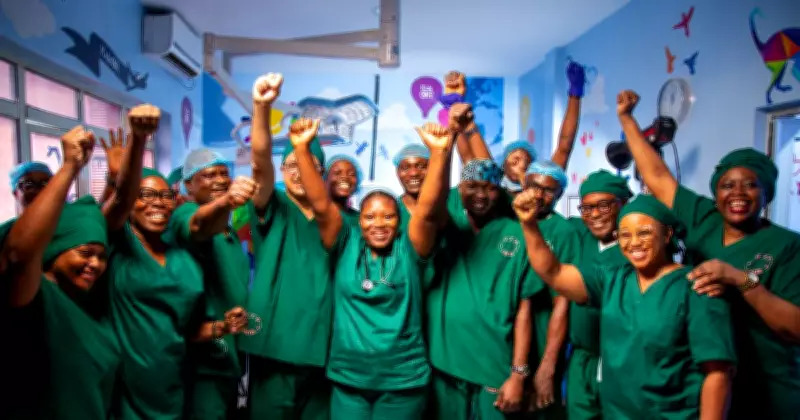
In a landmark development for healthcare in the region, Nigeria has officially opened West Africa's first comprehensive sickle cell cure center at the Lagos University Teaching Hospital (LUTH). This pioneering facility specializes in providing bone marrow transplant treatments for eligible patients within the country, marking a significant advancement in addressing one of Nigeria's most pressing public health challenges.
A Long-Awaited Medical Breakthrough
For decades, sickle cell disease has represented a major health burden in Nigeria, often referred to as the sickle cell capital of the world due to its disproportionately high disease prevalence. This genetic blood disorder affects an estimated 2-3% of the Nigerian population, causing chronic pain, frequent hospitalizations, organ damage, and substantially reduced life expectancy for those affected.
The newly established SCFN-LUTH Bone Marrow Transplant Programme represents the culmination of years of meticulous planning, specialized training, strategic funding initiatives, and collaborative partnerships. This center stands as the region's first dedicated facility specifically designed to deliver curative care for sickle cell disease, serving not only Nigeria but the broader West African community.
The Science Behind the Cure
Bone marrow transplantation, also known as stem cell transplantation, is currently recognized as the only established cure for severe sickle cell disease. This medical procedure works by replacing a patient's defective blood-forming cells with healthy donor cells. When successful, this intervention enables the body to produce normal red blood cells, effectively eliminating the underlying genetic cause of the disease.
"This is the first of its kind in West Africa, and we are proud to offer a safe, quality, and accessible cure for sickle cell disorder here in Nigeria," stated Dr. Annette Akinsete, Chief Executive Officer of the Sickle Cell Foundation Nigeria (SCFN). She emphasized that bone marrow transplant represents the only currently available curative option for patients suffering from severe forms of the disease.
Initial Successes and Clinical Milestones
The program completed its inaugural bone marrow transplant procedures in 2024, with patients successfully undergoing treatment and progressing through comprehensive post-transplant care protocols. These initial transplants involved chemotherapy preparation, meticulous donor matching processes, and the infusion of healthy marrow into recipients.
These early successes represent a major milestone for clinical care in Nigeria, demonstrating that complex medical procedures previously only available abroad can now be performed locally with appropriate expertise and infrastructure.
Addressing Accessibility and Financial Barriers
Despite this medical breakthrough, significant challenges remain regarding accessibility and affordability. For many Nigerian families, the primary concern is not whether the treatment works but whether they can afford it. The cost for a bone marrow transplant in Nigeria currently ranges from approximately $15,000 to $22,000, which, while substantially lower than the hundreds of thousands typically charged abroad, still places it beyond the reach of many households.
The transplant program at LUTH, in partnership with SCFN, is implementing several strategies to mitigate these financial barriers. By localizing the procedure, the program reduces logistical expenses and eliminates the need for costly international travel. Additionally, SCFN actively pursues donor funding and corporate sponsorships to subsidize procedures for qualified patients who cannot afford the full cost.
However, the absence of comprehensive national health insurance coverage specifically designed for sickle cell transplants remains a significant obstacle. Expanding insurance inclusion and securing government-backed support will be crucial for transforming this curative treatment from a possibility for the few to an accessible option for the many.
Building Sustainable Infrastructure and Donor Networks
The success of bone marrow transplantation depends critically on the availability of compatible donors. Currently, the program primarily relies on family donors, particularly siblings, who have the highest probability of being close genetic matches. When such matches exist, success rates improve significantly.
The center has made substantial investments in developing local technical capacity, including establishing a stem cell processing laboratory and training Nigerian specialists to manage all aspects of the transplantation process within the country. This domestic expertise reduces reliance on foreign laboratories and enhances long-term sustainability.
A significant structural challenge remains Nigeria's lack of a large-scale national bone marrow donor registry for unrelated donors. Developing such a registry would dramatically expand the donor pool and improve prospects for patients without suitable family matches. For now, donor availability represents one of the program's most pressing limitations.
Broader Implications for Public Health
Nigeria continues to grapple with high sickle cell mortality rates, particularly among children. An estimated 150,000 babies are born with the disease annually, with a substantial proportion not surviving beyond early childhood. This stark reality underscores the urgent need for both curative treatments and comprehensive care systems.
For countless Nigerian families affected by sickle cell disease, this new center represents a previously unimaginable source of hope. The story of sickle cell treatment in Nigeria and West Africa continues to evolve, with future success depending on training more specialists, expanding transplant capacity, strengthening international partnerships, and ensuring that financial constraints do not prevent access to this life-changing cure.