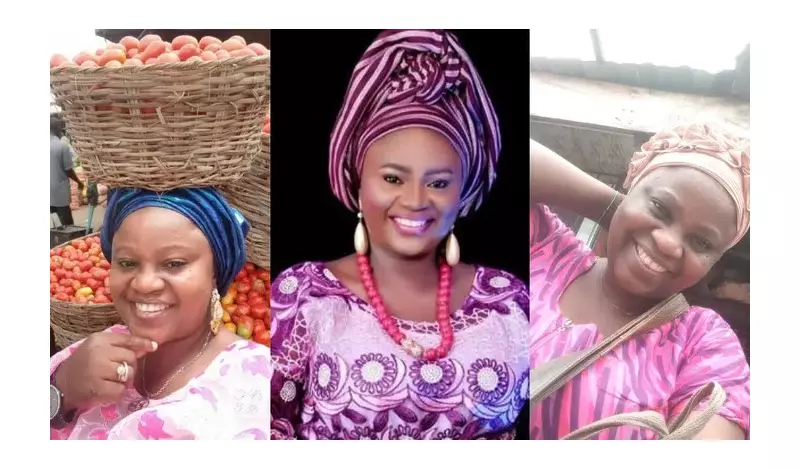
The Nigerian online community is embroiled in a heated debate over faith, medical ethics, and public donations after a popular social media figure, known as Auntie Esther or the Pepper Girl, declined a crucial blood transfusion for her cancer treatment.
A Decision Rooted in Faith
Esther Mensah, a personal shopper who gained fame on X (formerly Twitter), is battling breast and armpit cancer. Following a massive crowdfunding effort that reportedly raised over thirty million naira (₦30m) from supportive Nigerians, a critical juncture in her treatment was reached. Doctors advised that she needed a blood transfusion before commencing chemotherapy.
However, in an update shared on Friday, December 4, 2025, by the coordinator of her fundraiser, Sir Dickson (@Wizarab10), it was revealed that Mensah declined the procedure. The reason cited was her religious conviction as a Jehovah's Witness, a faith that prohibits the acceptance of blood transfusions.
Sir Dickson confirmed the situation, stating that while her blood levels were being optimized for care, the transfusion was refused. He noted that this decision means her treatment "will take longer and cost more," but emphasized the need to respect her religious beliefs.
Public Reaction and a Divided Nation
The revelation has sparked intense reactions across Nigeria. Many donors and medical professionals expressed deep concern, arguing that rejecting a transfusion in an aggressive cancer case is medically risky and could jeopardize the life-saving intent of the public's generosity.
A significant point of contention is whether donors, having contributed substantial funds, deserve transparency or a say in the treatment plan. Some supporters felt disappointed that her religious stance on blood products was not made clear from the outset of the fundraising campaign.
On the other hand, a vocal segment of the public has defended Auntie Esther's right to autonomy over her body and treatment. They commend Sir Dickson for his transparency and urge respect for her personal and faith-based decision.
The Path of "Bloodless Medicine"
Esther Mensah, addressing her followers directly, stood firm on her choice. She explained that she and her family opted for alternative methods to boost her blood count, such as injections and a special diet, a path her doctor has agreed to follow, albeit with a slower timeline for starting chemotherapy.
This approach aligns with "bloodless medicine" or "bloodless surgery," a field that provides alternatives for Jehovah's Witnesses and others. These protocols can include:
- Erythropoietin (EPO) injections to stimulate red blood cell production.
- Intravenous iron therapy.
- Meticulous surgical techniques to minimize blood loss.
- Specialized nutritional plans.
However, experts caution that these alternatives often work more slowly than a direct transfusion, which can be a critical factor when treating fast-progressing cancers.
The case of Auntie Esther has thrust the complexities of medical crowdfunding in Nigeria into the spotlight. It raises profound questions about the intersection of public goodwill, patient rights, and the ethical responsibilities that arise when private medical battles are funded by the collective purse of an empathetic nation.