Global Tuberculosis Disparity: Why Your Birthplace Shouldn't Dictate TB Risk
In high-income countries like the United States, even a handful of tuberculosis (TB) diagnoses can spark media frenzies and swift public health actions. Recent incidents in U.S. cities such as Seattle and San Francisco have seen headlines focus on testing children after TB was detected in schools, treating each case as an alarming anomaly.
A Stark Contrast in Sub-Saharan Africa
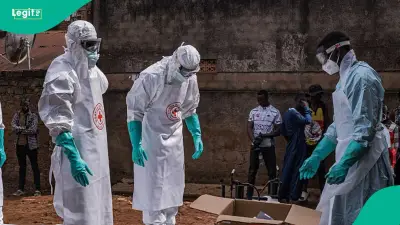
However, in sub-Saharan Africa, the perspective on TB is drastically different. While some areas experience lower levels of the disease, many regions grapple with severe, ongoing challenges. Countries including Ethiopia, Kenya, Uganda, Nigeria, and South Africa remain among the world's high TB-burden settings, with significant variations in drug-resistant TB both across and within national borders.
In these high-burden areas, sustained transmission continuously strains health systems, necessitating responses centered on large-scale, persistent disease control rather than isolated outbreaks. This disparity underscores a critical global health inequity.
The Devastating Toll of Tuberculosis
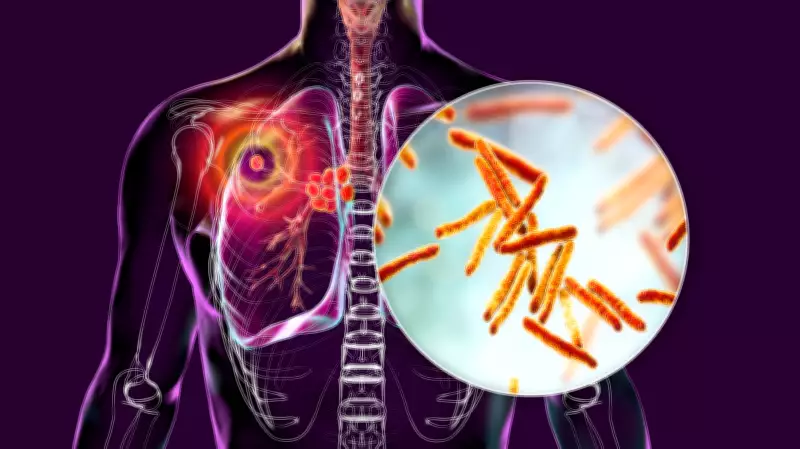
Globally, TB remains a leading infectious killer. In 2024 alone, an estimated 10.7 million people fell ill with TB, and the disease claimed 1.23 million lives—more than any other infectious disease. It is the primary cause of death among people living with HIV and a major contributor to fatalities related to antimicrobial resistance.
Despite being a known risk in many parts of the world, TB is relatively rare in the U.S. and often perceived by the public as a disease of the past. This perception highlights a troubling reality: exposure risk should not hinge on something as arbitrary as one's birthplace.
The Imperative for a TB Vaccine
This imperative drives the work of scientists like Alemnew Dagnew, MD, who is dedicated to developing an effective TB vaccine. The goal is to transform high-burden regions—whether struggling with drug-resistant or drug-sensitive TB—into environments resembling San Francisco or Seattle, where the disease is so uncommon that even a few diagnoses are exceptional events.
TB is frequently linked to poverty, as transmission thrives in settings with poor ventilation and close contact, such as underground mines, crowded workplaces, and densely populated urban settlements. Undernutrition, commonly associated with poverty, weakens immune defenses and elevates the risk of developing active TB disease. Moreover, when primary wage earners fall ill, households face heavy financial burdens, exacerbating economic hardship and vulnerability.
Personal Motivation from Ethiopia
Ethiopia, a high TB-burden country, has deeply influenced Dagnew's career. Through his experiences living in the community and working as a physician and researcher, he witnessed firsthand how TB devastates families and communities. This personal perspective has fueled his commitment to finding solutions.
The current TB vaccine, the BCG vaccine, is a century-old tool that, while important, has limitations. Studies show it protects young children from severe forms of TB but offers limited defense against pulmonary TB in adolescents and adults—the groups that bear the greatest burden of the disease and are primary drivers of transmission.
Potential Impact of a New Vaccine
Preventing TB in adolescents and adults could help safeguard people of all ages. Widespread use of an effective TB vaccine could also reduce drug-resistant TB by lowering disease incidence and minimizing the need for antibiotic treatments, a crucial step in combating antimicrobial resistance.
The World Health Organization estimates that over 25 years, a vaccine with 50% efficacy in protecting adolescents and adults could save 8.5 million lives, prevent 76 million new TB cases, and save $41.5 billion for affected households. Such a vaccine could be transformative, but only if it reaches those who need it most.
Lessons from Measles Vaccination
The success of the measles vaccine, introduced over 60 years ago, underscores the importance of equitable access. Sustained efforts to ensure widespread use have turned devastating epidemics into smaller, manageable outbreaks. In the past 25 years alone, measles vaccination is estimated to have prevented about 59 million deaths.
Similarly, for TB, collaboration among governments, global health organizations, and communities will be essential to ensure any new vaccine benefits the most vulnerable populations.
Progress in TB Vaccine Development
The TB vaccine candidate being evaluated by the Gates Medical Research Institute, where Dagnew leads clinical development, is among several in late-phase trials. The pipeline has never shown such promise, bringing hope to communities hardest hit by TB.
If an effective candidate emerges, broad and equitable access will be critical to reducing the global TB burden and advancing toward a TB-free world. As Dagnew emphasizes, our risk of TB should not depend on where we are born—it is a global challenge demanding a unified, just response.