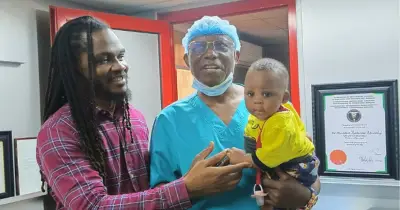
FMC Chief Medical Director Attributes Singer's Tragic Death to Delayed Hospital Arrival After Snake Attack
Professor Saad Ahmed, the chief medical director of the Federal Medical Centre (FMC) in Jabi, Abuja, has provided a detailed explanation for the unfortunate death of Abuja-based singer Ifunanya Nwangene, popularly known as Nanya. The medical expert revealed that the critical factor in her demise was the delay in seeking treatment after she was bitten by a cobra at her residence.
Timing Proved Fatal in Medical Response
According to Professor Ahmed's testimony before the Senate Committee on Health, the victim arrived at the hospital approximately two hours after the snake bite occurred. This delay proved ultimately fatal, as the venom had already caused significant damage to her body systems by the time medical intervention began. The CMD emphasized that such time-sensitive situations require immediate attention to maximize survival chances.
The medical director specifically addressed circulating social media claims suggesting that the hospital failed to administer anti-venom promptly. Professor Ahmed clarified that the medication was indeed given immediately upon Nwangene's arrival at the facility. However, the extensive time that had elapsed since the bite meant the venom had already compromised vital bodily functions, rendering the anti-venom less effective against the advanced toxic effects.
Traditional Prevention Methods Highlighted Following Tragedy
In response to the tragic incident, Olúwo Jògbòdó Ọ̀rúnmìlà, an Ifa priest and respected Babalawo, offered traditional wisdom for preventing snake encounters. During an exclusive interview, the traditionalist outlined three primary preventive measures:
- Maintaining clean surroundings through regular tidying
- Applying chemical sprays around residential areas for pest control
- Keeping cats as pets, as they naturally deter snakes
The traditional healer emphasized that environmental cleanliness serves as the foundational step in reducing snake attraction to human habitats.
Senator Shares Insights from Local Snake Experts
Senator Shehu Sani contributed to the conversation by sharing knowledge gained from local snake charmers in Zaria. The senator revealed through social media that certain household conditions particularly attract snakes to residential areas. "A snake charmer recently told me that nothing attracts snakes to our homes like littered eggshells and rats," Senator Sani disclosed.
He further explained that conflicts often occur within ceiling spaces between snakes and their prey, primarily rats. The senator stressed that proper hygiene practices and effective pest control measures remain crucial in minimizing snake encounters, as these reptiles typically enter homes in search of food sources.
Broader Implications for Urban Safety and Healthcare Response
The incident has sparked broader discussions about urban safety and healthcare preparedness for snake bite emergencies. Pest control experts have subsequently identified potential snake hotspots in major cities like Lagos, raising awareness about safety concerns among urban dwellers. Francis Nwapa, a pest control specialist, has called for improved healthcare responses to snake bites amid growing public concerns.
Professor Ahmed provided his insights during the 2026 budget defence session of the Senate Committee on Health at the National Assembly, where various government-owned tertiary health institutions presented their cases. The singer's death occurred approximately two weeks prior to these revelations, with initial reports indicating the cobra attack happened at her Abuja residence.
This tragic case underscores the importance of both immediate medical response following venomous bites and preventive environmental measures to reduce snake encounters in residential areas. The combined perspectives from medical professionals, traditional healers, and public officials create a comprehensive approach to addressing this public health concern.