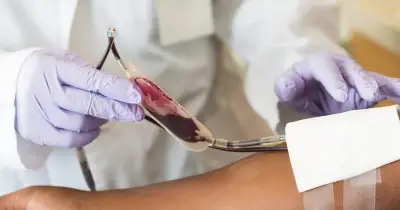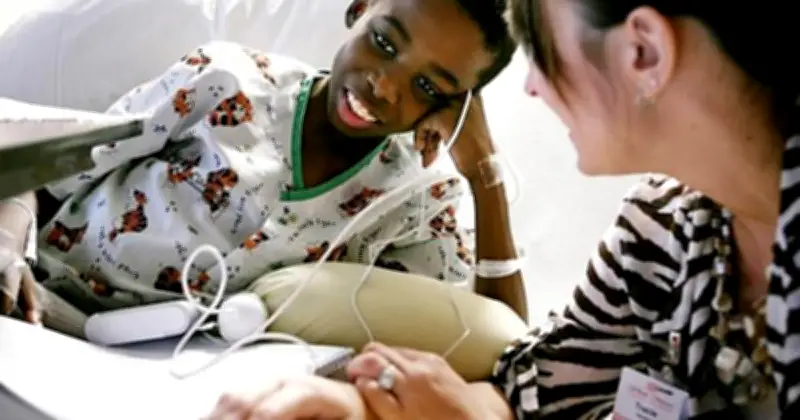
Nigeria remains the country with the highest burden of sickle cell disease (SCD) in the world, with an estimated 150,000 babies born with the condition every year and about 50 million people carrying the sickle cell trait. For many families, the diagnosis marks the beginning of a lifetime of hospital visits, painful health crises, emotional stress and financial hardship.
Sickle cell disease is an inherited blood disorder that causes red blood cells to become hard, sticky and crescent-shaped. Unlike healthy blood cells that move easily through blood vessels, sickle cells can block blood flow, triggering severe pain episodes and damaging organs over time. The scale of the crisis in Nigeria is staggering. Experts estimate that between 2% and 3% of Nigerians are living with the disease. Nearly half of affected children die before reaching their fifth birthday, while those who survive often face a significantly shorter life expectancy compared to patients in wealthier countries.
More Than Painful Crises
Beyond physical pain, patients frequently battle severe societal stigma. Advocacy groups emphasize that early, widespread education across schools is essential to change narratives and encourage genotype transparency. While sickle cell disease is widely associated with painful bone crises, the condition causes far more than recurring pain. People living with SCD are at risk of stroke, severe anemia, recurrent infections, leg ulcers, bone damage, swelling of the hands and feet, and priapism in males. Mental health challenges are also common. Studies have found that nearly one-third of people living with the disease experience depression, anxiety, or both.
The burden extends beyond health complications. Frequent hospital admissions often disrupt education and employment, making it difficult for patients to reach their academic and career goals. Families are also forced to shoulder significant healthcare costs, often paying out-of-pocket for treatment. In some cases, the emotional and financial strain of caring for a child with sickle cell disease creates tension within households.
Why Nigeria Continues to Struggle
Despite decades of awareness campaigns, several factors continue to fuel the sickle cell crisis in Nigeria. One of the biggest challenges is the absence of a nationwide newborn screening programme. In many countries, babies are tested shortly after birth, allowing doctors to begin preventive treatment early and reduce the risk of severe complications. Nigeria, however, lacks a coordinated national screening system. As a result, many children are not diagnosed until symptoms become severe, leading to avoidable illness and deaths.
Low public awareness remains another major issue. Although sickle cell disease is widespread, many Nigerians still do not fully understand how it is inherited or how it can be prevented through informed reproductive decisions. Health-related stigma also continues to affect people living with the disease. Patients frequently report discrimination from family members, members of the public and even healthcare workers. Such experiences often discourage people from openly discussing their condition or seeking care. One example is the use of the term 'sicklers' to describe people living with sickle cell disease. Although the word originated from the sickle shape of affected blood cells, it has evolved into a label many patients consider stigmatizing. In extreme cases, some individuals reportedly conceal their genotype status or even alter test results to avoid discrimination.
The Problem of Inaccurate Genotype Testing
Premarital screening campaigns have occasionally been compromised by poor laboratory quality control and inaccurate hemoglobin electrophoresis tests, driving calls for stricter regulatory oversight. Experts have also raised concerns about the reliability of genotype testing in parts of the country. Poor laboratory quality control has resulted in cases where individuals who believed they had compatible genotypes later gave birth to children with sickle cell disease. This issue threatens to undermine years of progress made through premarital genotype screening campaigns. Currently, hemoglobin electrophoresis remains the most commonly used testing method in Nigeria. However, specialists argue that more accurate diagnostic technologies and stronger laboratory quality assurance systems are needed to reduce errors.
The Economic Burden on Families
Managing sickle cell disease is expensive. Treatment often involves regular hospital visits, medications, blood transfusions, laboratory investigations and emergency care during crises. For many households, these expenses can be overwhelming. Research has shown that 61% of households in Nigeria's poorest income group experience catastrophic health spending due to sickle cell disease. In such cases, medical expenses consume a substantial portion of income that would otherwise be used for food, housing and other essential needs. With universal health coverage still out of reach for many Nigerians, families are frequently left to bear these costs alone.
A Bill Waiting for Action
Nigeria has taken steps to address the problem through legislation. In 2021, the Senate passed a Sickle Cell Bill aimed at improving prevention, control and management of the disease. However, implementation has remained slow, limiting its impact on public health outcomes. Health advocates argue that stronger government commitment is needed to translate policy into action through nationwide awareness campaigns, expanded screening programmes and better access to care.
What Needs to Change?
Sickle cell disease extends far beyond brief episodes of pain, bringing risks of chronic organ complications and extreme economic strain that plunges 61% of low-income families into catastrophic health spending. Experts believe reducing Nigeria's sickle cell burden will require a coordinated approach involving government agencies, schools, healthcare institutions, religious bodies, employers and civil society organisations. They argue that education about genotype compatibility should begin early, with sickle cell awareness incorporated into school curricula from primary education through university and even the National Youth Service Corps (NYSC).
Improving laboratory standards is also critical. Health professionals are calling for stricter regulation of genotype testing, accreditation of testing centres and public access to verified facilities capable of delivering accurate results. Advocacy groups say awareness alone is not enough. Research findings must be translated into practical policies that improve prevention, strengthen healthcare systems and support people already living with the disease. With more than 150,000 affected babies born each year, many health experts warn that Nigeria can no longer afford to treat sickle cell disease as a personal or family issue. They say it must be addressed as a national public health emergency requiring urgent and sustained action.