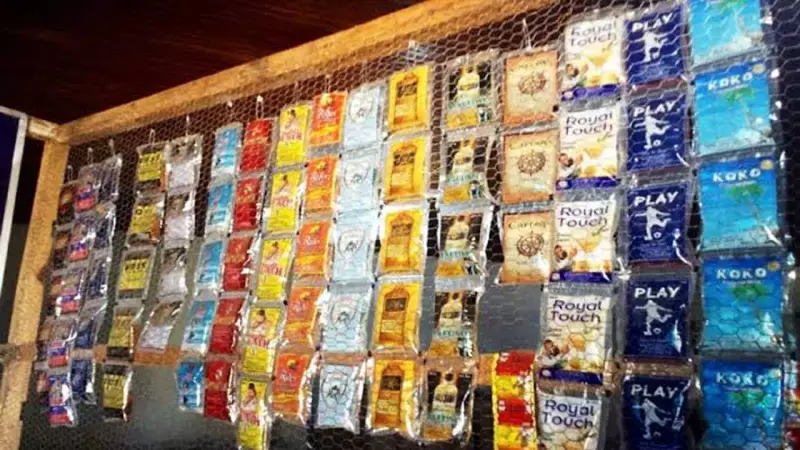
In a landmark decision that could reshape Nigeria's beverage industry, the Senate has issued a decisive directive to the National Agency for Food and Drug Administration and Control (NAFDAC), compelling the complete prohibition of alcoholic beverages in sachets by December 31, 2024.
Senate Takes Firm Stand Against Sachet Alcohol
The resolution emerged following extensive deliberations during Wednesday's plenary session, where lawmakers expressed grave concerns about the accessibility and health implications of sachet-packaged alcoholic drinks, particularly among young Nigerians.
Senator Oluremi Tinubu, representing Lagos Central, spearheaded the motion that gained overwhelming support from colleagues across party lines. The Senate's position reflects growing national anxiety about substance abuse patterns and their societal consequences.
NAFDAC Receives December 31 Deadline
The upper legislative chamber has given NAFDAC a clear mandate to ensure full compliance with the prohibition timeline. This directive comes with explicit instructions to intensify monitoring and enforcement mechanisms across production facilities, distribution networks, and retail outlets nationwide.
Industry analysts suggest this move could significantly impact small-scale producers who have dominated the sachet alcohol market, while potentially creating new opportunities for alternative packaging formats in the alcoholic beverage sector.
Public Health and Youth Protection at Core
Proponents of the ban emphasize that sachet alcohol presents unique public health challenges due to its affordability and convenience. Lawmakers argued that the packaging format has contributed to increased alcohol consumption among underage Nigerians and vulnerable populations.
"The cheap pricing and easy accessibility of these sachet drinks have created a public health crisis we can no longer ignore," stated one senator during the heated debate.
Industry Response and Economic Implications
While health advocates have welcomed the Senate's decisive action, concerns have emerged about potential economic repercussions. The sachet alcohol market employs thousands of Nigerians directly and indirectly, from production to retail distribution.
Manufacturers now face the challenging task of transitioning to alternative packaging solutions or diversifying their product portfolios before the year-end deadline. Consumer advocacy groups have called for balanced implementation that considers both public health objectives and economic realities.
As Nigeria moves toward this significant regulatory shift, all eyes will be on NAFDAC's enforcement strategy and the beverage industry's adaptation to this new landscape of alcohol distribution and consumption.