Thyroid Disorders Often Missed in Women
Thyroid disorders are frequently undiagnosed in women because symptoms mimic stress, aging, or hormonal changes, according to reproductive endocrinologist Oladapo Ashiru. Speaking with PT Health Watch, Ashiru noted that Nigerian studies report female-to-male ratios ranging from 6.3:1 to as high as 98:1, indicating women are far more likely to develop thyroid conditions. Early recognition is crucial, as untreated disorders can affect fertility, pregnancy, and quality of life.
Common Symptoms Overlooked
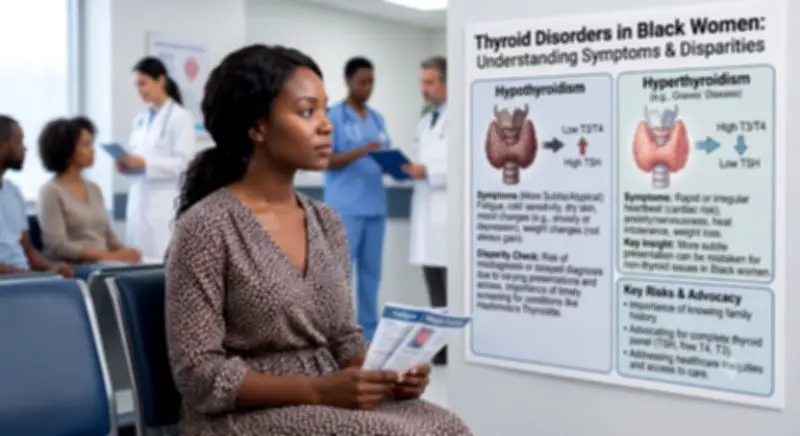
Ashiru explained that thyroid disorders occur in two main forms: hypothyroidism (underactive) and hyperthyroidism (overactive). Hypothyroidism often causes unexplained weight gain, cold sensitivity, and hair thinning, while hyperthyroidism leads to weight loss, heat intolerance, and faster metabolism. Women may also experience irregular menstrual cycles, mood changes, anxiety, depression, constipation, or frequent bowel movements. Neck tightness from an enlarged thyroid, excessive tearing, and persistent symptoms after treatment are more common in women, while men typically present with heart palpitations.
Impact on Fertility and Pregnancy
Women aged 30 to 49 face the highest risk, but younger women can also be affected. Untreated thyroid disease can interfere with ovulation, increase menstrual bleeding, raise miscarriage risk, and cause postpartum complications. Ashiru advised women planning pregnancy to undergo thyroid screening before conception. He also highlighted postpartum thyroiditis, an inflammation after childbirth, warning that persistent exhaustion in new mothers may signal an underlying disorder rather than normal newborn care.
Screening and Lifestyle Recommendations
Thyroid disorders can be diagnosed with simple hormone tests available in many Nigerian hospitals. Ashiru recommended routine screening for women aged 35 and older, pregnant women, and those with a family history. While some conditions are hereditary, healthy habits may support thyroid function: adequate sleep, stress management, a balanced diet with iodine and selenium-rich foods (eggs, fish, beans), and regular physical activity. He also suggested limiting processed foods, genetically modified foods, and environmental toxins, though these reflect his clinical opinion.
Early Diagnosis Improves Outcomes
Treatment depends on the disorder type, with many patients responding to thyroid hormone replacement therapy or other medications. Ashiru emphasized that early diagnosis is the most effective way to prevent complications and improve quality of life. He described the thyroid as vital for regulating reproductive hormones and supporting heart, skin, and other body systems, urging people to minimize avoidable environmental risks.