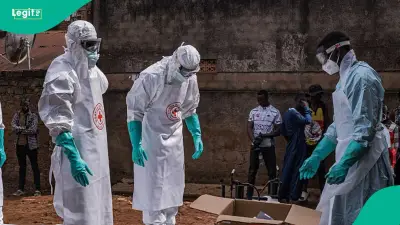
DR Congo has confirmed a new Ebola outbreak in Ituri Province, with 246 suspected cases and 80 deaths reported as of May 16, 2026. The World Health Organization has declared the situation a public health emergency of international concern.
Outbreak Confirmation and Strain
Health officials confirmed the outbreak on May 15, 2026, after laboratory tests by the National Institute of Biomedical Research identified the Bundibugyo virus strain in samples from Mongbwalu and Rwampara health zones. This strain has a historical mortality rate between 25% and 50% and currently lacks an approved vaccine.
Symptoms and Challenges
Patients have shown symptoms including fever, body pain, weakness, vomiting, and bleeding. Many deteriorated quickly. The outbreak affects communities facing insecurity, displacement, and cross-border movement, complicating containment efforts.
Regional Spread
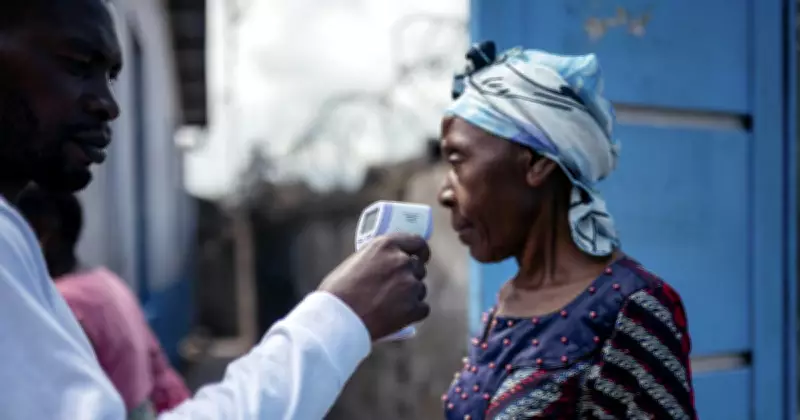
Uganda confirmed a related case in a traveler from the DRC who died. Ugandan authorities have activated surveillance and border screening. The CDC issued a Level 3 Travel Health Notice for DRC and a Level 1 notice for Uganda.
Global Response
The WHO classified the outbreak as a public health emergency on May 17. No cases have been reported in the United States. The CDC is collaborating with DRC and Uganda on surveillance, contact tracing, and infection prevention. This is the 17th Ebola outbreak in DRC since 1976.
Transmission and Treatment
Ebola spreads through direct contact with body fluids of infected people or contaminated objects. It is not airborne. Symptoms appear 2 to 21 days after exposure. Supportive treatment, including fluid replacement, improves survival chances.