The Federal Ministry of Health and Social Welfare has confirmed an imported case of Ebola disease in the Federal Capital Territory (FCT), prompting immediate contact tracing and renewed calls for public vigilance. The patient, a woman who arrived in Nigeria on an international flight from Uganda, is currently in isolation and receiving treatment at a private hospital in the FCT.
Confirmed Case and Contact Tracing
The case was confirmed on Tuesday, October 20, 2026, after laboratory tests returned positive. According to the ministry, the woman was admitted to a private hospital in the FCT, where she received medical care before the diagnosis was established. Public health teams have identified 44 close contacts for monitoring, including healthcare workers, patients, caregivers, and travel contacts who may have been exposed to the infection.
The Federal Government has directed all public and private healthcare facilities nationwide to remain alert, identify suspected cases promptly, and report them to the relevant public health authorities. This directive aims to prevent further transmission and ensure a coordinated response.
Understanding Ebola: Transmission and Risks
Ebola is a rare but severe infectious disease caused by viruses in the orthoebolavirus group. It can cause serious illness and death, although early medical care improves a patient's chances of survival. According to the World Health Organisation (WHO), Ebola spreads primarily through direct contact with the blood or other bodily fluids of an infected person who has developed symptoms, or someone who has died from the disease.
The virus can enter the body through broken skin or the eyes, nose, and mouth. People can also contract the infection through contaminated objects, such as clothing, bedding, and medical equipment. Contact with infected animals, including certain bats and non-human primates, can also transmit the virus to humans. Unlike infections that spread through the air over long distances, Ebola is not ordinarily transmitted through casual contact with someone who has no symptoms. Infected people become contagious after symptoms develop, although the virus can remain in their bodies after recovery.
Symptoms to Watch For
Ebola symptoms can appear 2 to 21 days after infection. The illness often begins suddenly, and its early signs can resemble malaria, typhoid fever, and other common infections. Symptoms include fever, severe headache, muscle pain, extreme tiredness, weakness, and a sore throat. Some patients later develop vomiting, diarrhoea, abdominal pain, and a rash. In more severe cases, patients may experience internal or external bleeding, including blood in vomit or faeces and bleeding from the nose or gums. However, bleeding does not occur in every case and is less common than many people assume. Because these symptoms overlap with those of other illnesses, they cannot confirm Ebola on their own. Laboratory testing is necessary to establish a diagnosis.
Treatment and Prevention Measures
Early supportive care, including rehydration, nutritional support, and treatment of complications, improves survival. Specific treatments and vaccines are available for some Ebola virus types, but they do not work against every virus in the group. The WHO identifies approved monoclonal antibody treatments for Ebola virus disease caused by the Ebola virus. However, the appropriate treatment and vaccine depend on the virus responsible for the outbreak.
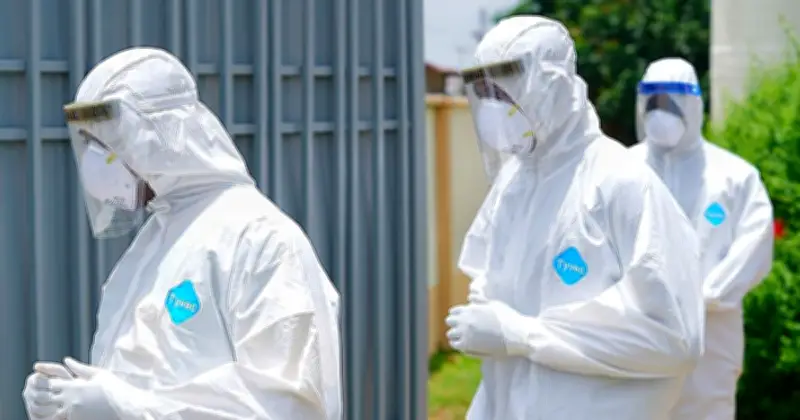
To protect yourself, regular handwashing with soap and water, or the use of an appropriate alcohol-based hand sanitiser, helps maintain hygiene. Avoid direct contact with the blood and other bodily fluids of anyone suspected or confirmed to have Ebola. Do not handle potentially contaminated clothing, bedding, or medical equipment without appropriate protection. Avoid touching the body of someone who has died from suspected Ebola. Burial arrangements should be handled with guidance from trained public health teams. People should also avoid contact with sick or dead wild animals and refrain from handling or consuming their raw meat. If public health officials identify you as a contact, cooperate with their instructions and monitor your health for 21 days after exposure. Report symptoms immediately and discuss any travel plans with the authorities.