10 Natural Foods to Help You Gain Healthy Weight Without Junk Food
Are you struggling to gain weight in a healthy manner? Many people assume weight gain is simply about eating more, but achieving healthy weight requires strategic nutrition choices that build strength and energy rather than just accumulating fat.
The Challenge of Healthy Weight Gain
Gaining weight might sound straightforward until you actually attempt it. While well-meaning advice often suggests simply eating more and resting adequately, those who have tried understand it's far more complex. The goal isn't just any weight gain—it's healthy weight that contributes to strength, vitality, and a fuller physique without compromising long-term health.
Although junk food offers a quick path to weight increase, it typically results in unhealthy fat accumulation rather than beneficial muscle growth. The real solution lies in selecting foods packed with both calories and essential nutrients.
Top 10 Foods for Natural Weight Gain
- Healthy Fats
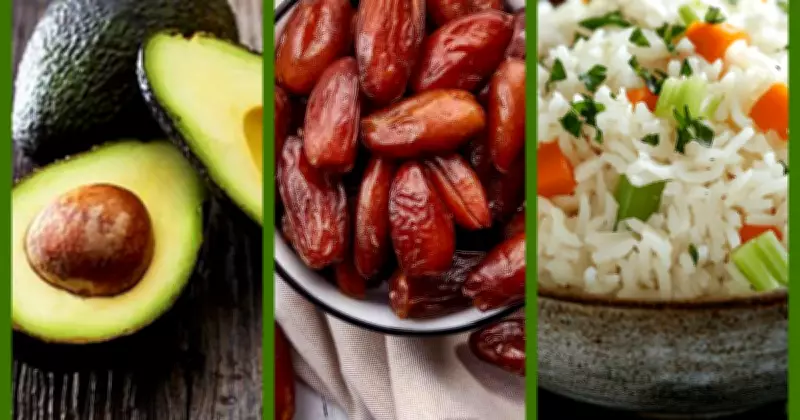
Fats are calorie-dense allies in weight gain, meaning you don't need enormous portions to see results. Excellent sources include avocados (commonly called pear in Nigeria), olive oil, and coconut oil. Adding a drizzle of oil to rice or including avocado slices with bread provides substantial calories while supporting heart health.
- Nuts and Nut Butters
Despite their small size, almonds, walnuts, peanuts, and their butters deliver powerful calorie boosts. They contain both protein and healthy fats, helping build muscle rather than just storing fat. These make perfect snacks for busy individuals who struggle to find time for regular meals.
- Full-Fat Dairy Products
During weight gain efforts, low-fat options should be avoided in favor of full-fat dairy like milk, yogurt, and cheese. These provide an ideal combination of calories and protein. Simple additions like yogurt at breakfast, milk in tea, or cheese in sandwiches can significantly increase daily calorie intake.
- Starchy Carbohydrates
While sometimes criticized, carbohydrates become essential when trying to gain weight or overcome being underweight. Focus on rice, potatoes, sweet potatoes, oats, and quinoa. These foods supply the energy necessary for growth and help your body utilize protein effectively for muscle development.
- Protein-Rich Foods
Increasing calories without adequate protein may lead to unwanted fat gain rather than muscle development. Protein helps build muscle mass, providing structure and strength. Excellent sources include eggs, red meats like beef and lamb, and oily fish such as salmon.
- Dried Fruits
Don't underestimate dried fruits like raisins, dates, and dried apricots. They offer concentrated calories in small packages and contain fiber that supports digestion—particularly important when increasing food intake. Add them to oatmeal or enjoy as between-meal snacks.
- Smoothies and Shakes
Liquid calories can be easier to consume than solid foods, especially for those with smaller appetites. Blend milk, peanut butter, banana, and oats for a calorie-dense drink that provides nutrition without feeling overly filling.
- Frequent Snacking
Instead of just increasing meal sizes, incorporate 2-3 snacks between meals. Options like bread with peanut butter, yogurt with fruit, or handfuls of nuts help steadily increase calorie intake throughout the day.
- Food Upgrades
You don't need to completely overhaul your diet. Simply enhance existing meals by adding oil during cooking, incorporating cheese into dishes, or spreading nut butter on snacks. This approach maintains familiar meals while boosting their calorie content.
- Consistency and Patience
Healthy weight gain requires regular effort rather than extreme measures. Some days will be better than others, but consistent small additions of nutrient-rich foods will gradually yield visible results.
Practical Strategies for Increased Consumption
For those with naturally small appetites, eating more can feel challenging. Here are effective approaches:
- Liquid Nutrition: Smoothies and shakes allow you to consume substantial calories without the fullness of solid foods.
- Frequent Eating: Five to six smaller meals and snacks spread throughout the day are often more manageable than three large meals.
- Smart Enhancements: Boost the calorie density of your regular meals with simple additions like oils, cheeses, or nut butters.
Remember that healthy weight gain isn't about overeating or choosing unhealthy options. It's a gradual process built on consistent, smart food choices that provide both calories and nutritional value. With patience and the right dietary approach, you can achieve your weight goals while maintaining overall health.