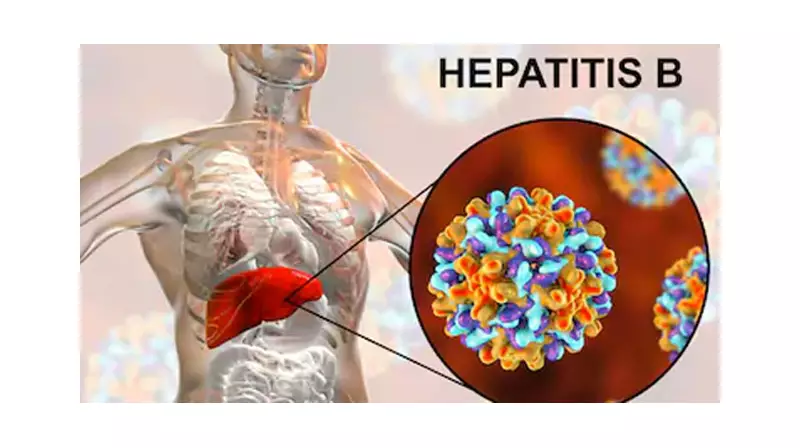
In a powerful address delivered in Asaba, Delta State, a leading public health specialist has called for urgent government action to combat hepatitis B transmission and reduce Nigeria's alarming maternal mortality rates through stronger preventive health measures.
Critical Need for Birth Vaccination
Dr. Cindy Iheanetu, speaking on Wednesday, emphasized that Nigeria could significantly reduce hepatitis B infection rates by implementing routine early testing and making vaccination mandatory immediately after birth. She described the country's current slow immunization uptake as a serious threat to national health security that requires immediate attention.
The public health expert expressed concern that many Nigerian families, particularly those in rural communities, continue to face barriers in accessing timely childhood vaccinations and accurate health information. She stressed that this accessibility gap must be addressed through strengthened partnerships with community health workers, faith-based organizations, and traditional institutions.
Maternal Health Crisis Demands Action
Dr. Iheanetu also highlighted Nigeria's persistently high maternal mortality rate as one of the most pressing public health emergencies driving her advocacy work. "In Nigeria, every mother's life should count," she stated emphatically during her presentation.
Drawing from her extensive clinical experience in maternal health centers across the country, she outlined practical solutions including improved access to prenatal care, enhanced family planning services, and empowering young women to make informed health decisions. She advocated for data-driven care models, better monitoring systems, and stronger community engagement to ensure women receive life-saving services when they need them most.
Environmental Health Connections
Beyond infectious diseases and maternal health, Dr. Iheanetu, who currently works as an environmental research specialist, warned about growing health threats stemming from industrial waste mismanagement, poor sanitation practices, and contaminated water systems throughout Nigeria.
"Environmental health is public health," she declared, urging the government to invest in robust environmental monitoring and response systems. She emphasized the fundamental need for communities to have access to clean water, safe food, and healthy living environments to prevent disease outbreaks.
The expert criticized the persistent disconnect between scientific research and policy implementation in Nigeria, noting that this gap continues to undermine the country's development progress. She called for better integration of evidence-based approaches into national health policy-making to achieve meaningful improvements in public health outcomes across all regions of Nigeria.