Health authorities are calling on Nigeria and other nations to intensify their fight against cervical cancer, aiming to slash incidence rates to below four cases per 100,000 women. This push is central to achieving ambitious global elimination targets by the year 2030.
The 90-70-90 Roadmap to Elimination
In a recent presentation titled “Turning Targets into Tangible Impact: Nigeria’s Cervical Cancer Strategy for 2030,” Roberto Taboada, Network Head for Anglo-West Africa at Roche Diagnostics, outlined the critical path forward. He emphasized that cervical cancer continues to be a severe public health issue in Nigeria, with approximately 13,700 new cases and over 7,000 deaths recorded annually.
Taboada detailed the three key pillars, known as the 90–70–90 targets, that must be met from 2026 onwards. These are: vaccinating 90% of girls with the HPV vaccine before they turn 15; screening 70% of women with a high-performance test by age 35 and again by 45; and ensuring 90% of women with pre-cancerous lesions receive treatment, while 90% of those with invasive cancer are managed effectively.
Breaking the Silence and Building Systems
Taboada highlighted that for countless Nigerian families, this disease is a devastating reality, often diagnosed late and crippling households. He identified poor awareness, social constraints, and personal embarrassment as major barriers preventing women from seeking lifesaving HPV screening.
However, there is significant progress. The Nigerian government has demonstrated renewed political will, updating national guidelines and accelerating plans. In 2026, Nigeria will formally align its national response with the World Health Organization's global elimination strategy. A National Taskforce on Cervical Cancer Elimination, uniting government, clinicians, and private partners, is driving this coordinated action.
Molecular diagnostic platforms for screening are already available across the country. By integrating cervical cancer screening into existing lab networks, including those for HIV programmes, Nigeria is building a sustainable model that strengthens overall health infrastructure.
Sustaining Momentum Through Collaboration
Taboada praised the role of public-private collaboration in creating scalable models, especially for rural communities. He also stressed the importance of continuous engagement with both clinicians and the public to encourage screening uptake.
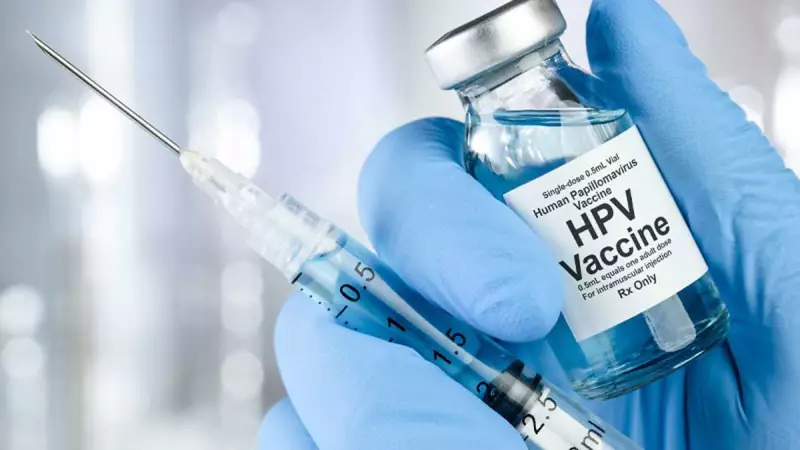
On prevention, he noted that the HPV vaccination was phased into routine immunization in 2023. The next vital step is scaling up screening. Formalized national guidelines are now providing a consistent framework for states and partners to ensure equitable access.
"Elimination will not happen overnight," Taboada stated. "But with continued leadership, collaboration and investment, cervical cancer can become a condition that health systems anticipate, prevent and manage decisively." The focus now is on maintaining this hard-won momentum and ensuring effective implementation across all states.