A coalition of women's rights advocates has raised concerns over the worsening political exclusion of women in Nigeria, warning that the 2027 general elections could produce even lower female representation than recorded in 2023 unless urgent measures are taken. The groups, operating under the Voice of Women Empowerment Foundation (VoWE) and allied civil society organizations, urged political parties to nominate women as deputy governorship candidates in all 36 states.
The call was made during a virtual press conference and roundtable dialogue on the audit of political party primaries held on Wednesday. The coalition expressed concern over emerging trends from ongoing primaries, alleging that many female aspirants who met constitutional requirements were pressured to withdraw, sidelined during screening, or edged out through last-minute political arrangements.
Threat to Democratic Inclusion
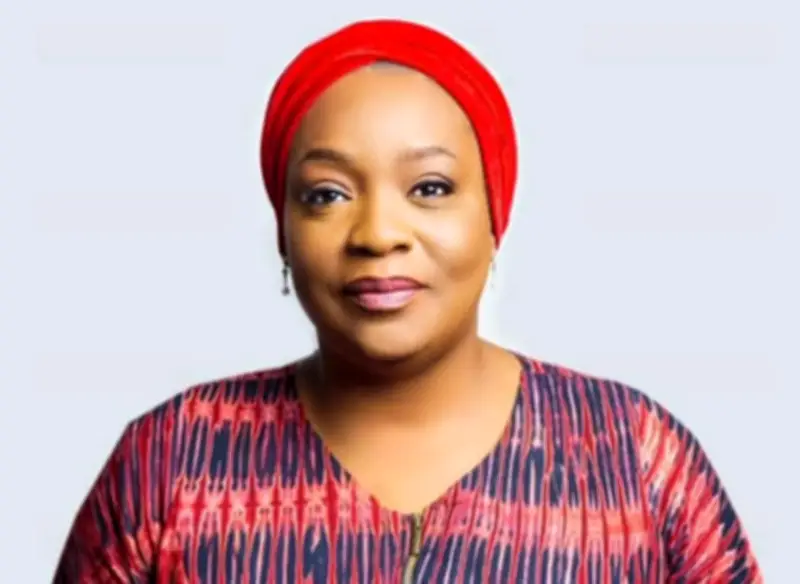
Speaking on behalf of the coalition, Co-founder and Executive Director of VoWE, Mrs. Toun Okewale Sonaiya, described the development as a threat to democratic inclusion and a major setback for women's political participation. She noted that women constitute about 49.5% of Nigeria's estimated 240 million population, yet occupy less than 4% of seats in the National Assembly, while representation in state legislatures remains below 5%.
Sonaiya lamented that Nigeria currently has no elected female governor, while 14 states have no female lawmakers in their Houses of Assembly. "Nigeria ranks among the poorest-performing countries globally in women's political representation despite being Africa's largest democracy and economy. The gap between policy commitments and political realities can no longer be ignored," she said.
Call for Affirmative Measures
To address the imbalance, the coalition called on political parties to ensure that every male governorship candidate is paired with a female running mate ahead of the 2027 elections. The groups argued that such a measure would immediately increase women's participation in executive governance while creating a pathway for women to occupy higher political offices in the future.
They also demanded greater transparency from political parties regarding women's participation in nomination processes. Specifically, the coalition asked governors and party leaders to publish data on the number of women who purchased nomination forms, participated in screening, secured tickets, withdrew, or were persuaded to step down.
Role of INEC and Government
The coalition urged the Independent National Electoral Commission (INEC) to intensify oversight of political parties and ensure adherence to constitutional principles of fairness, equity, and non-discrimination. Additionally, the groups appealed to President Bola Tinubu to support the passage of the Special Seats Bill currently before the National Assembly, describing it as a necessary intervention to address historical gender imbalance.
"This is not about charity or favouritism. It is a democratic correction designed to address years of exclusion and create a more representative governance structure," Sonaiya said. She warned that continued exclusion of women could have wider implications for governance, accountability, and national development.
Audit Findings
Presenting findings from an audit of political party primaries, Executive Director of Invictus Africa, Mrs. Bukola Shonibare, said preliminary data revealed significant gender disparities among aspirants across major political parties. Only three parties currently have female aspirant representation above 20%: the Peoples Democratic Party (28.2%), Young Progressives Party (22.7%), and Youth Party (20%).
Shonibare noted that despite producing the highest number of aspirants nationwide, the All Progressives Congress recorded only 209 female aspirants out of 2,008. She also expressed concern about the outlook for women's representation in the Senate, revealing that only three female senators have so far secured tickets to return. "If all three are eventually elected, women will account for only about 2.7% of Senate membership, which would represent a significant democratic deficit," she said.
The coalition pledged to closely monitor developments ahead of the 2027 elections, document cases of exclusion, and publicly track political parties' performance on gender inclusion indicators.