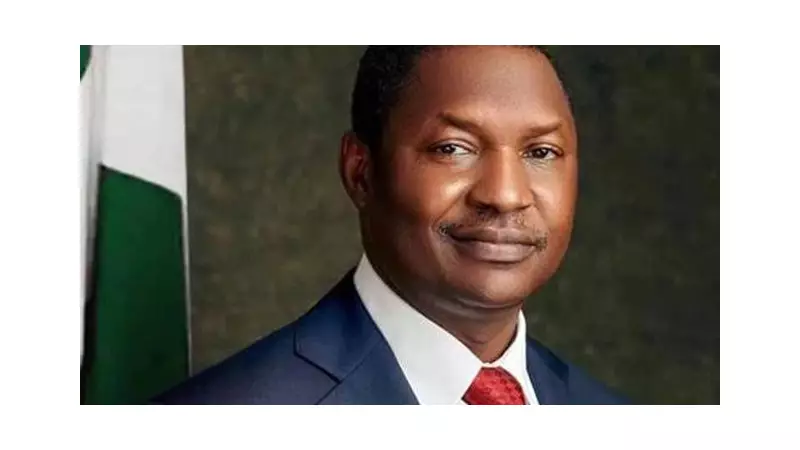
The Economic and Financial Crimes Commission has taken decisive action against former Attorney-General of the Federation, Abubakar Malami, by seizing his international passport and imposing strict travel restrictions as part of an ongoing investigation into the management of recovered $490 million Abacha loot.
Passport Seizure and Release Conditions
The EFCC confiscated Malami's passport on Friday, December 1, 2025, making it one of the key conditions for his release the following day. According to sources familiar with the matter, the former minister must now report daily to the EFCC headquarters in Abuja for comprehensive interrogations regarding the alleged mismanagement of funds recovered from the late General Sani Abacha's regime.
The substantial amount of $490 million was repatriated to Nigeria through a Mutual Legal Assistance Treaty, an international agreement designed to facilitate cooperation between countries in legal matters. The EFCC's investigation focuses on how these recovered funds were managed and allocated during Malami's tenure as the nation's chief law officer.
One-Month Travel Ban Imposed
Investigators have placed Malami under a strict one-month travel restriction while critical interrogations continue. A reliable source confirmed that "the former minister may not leave the country except with EFCC's concurrence or a valid order of a High Court."
The anti-graft commission justified the travel restrictions by citing the extensive documentation involved in the case and the necessity for thorough interviews with the former minister. The EFCC maintains that these measures are essential for a comprehensive investigation into the substantial financial matter.
Conflicting Positions Emerge
While the EFCC insists that Malami has significant questions to answer regarding the Abacha loot, the former minister has vehemently denied any wrongdoing. Malami has dismissed the allegations as baseless and politically motivated, expressing confidence that the facts will ultimately exonerate him from any misconduct.
However, EFCC sources remain firm in their position, clarifying that their investigation doesn't necessarily imply theft but requires accountability. "We have asked him to account for the $490 million Abacha loot secured through MLAT. We didn't say he stole the money, but he has questions to answer," the source emphasized.
The commission has adopted a professional stance, refusing to engage in media confrontations while assuring the public that findings will be made available upon conclusion of the investigation. This high-profile case continues to draw significant public attention as Nigeria intensifies its anti-corruption efforts.