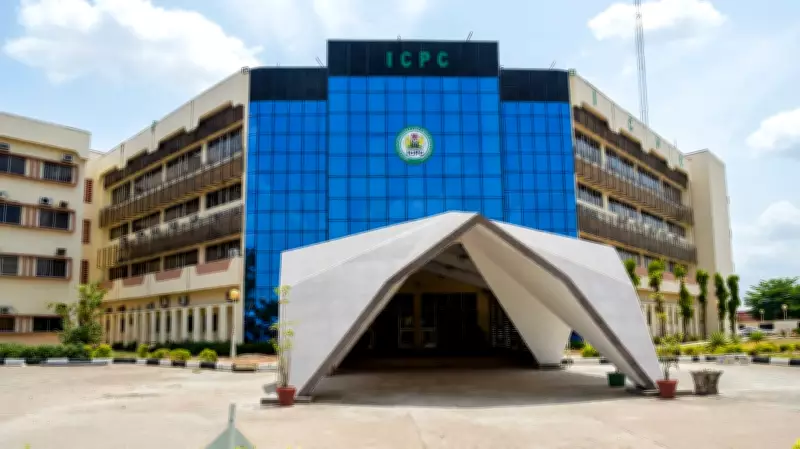
ICPC Tracks 950 Projects Worth N415bn, Monitors N21.23trn Nationwide
The Independent Corrupt Practices and Other Related Offences Commission (ICPC) has announced a significant milestone in its efforts to combat corruption and enhance transparency in public spending. According to the commission, it has tracked approximately 950 projects valued at around ₦415.25 billion across 26 states and the Federal Capital Territory (FCT). This initiative is part of a broader strategy to ensure that public funds are effectively utilized for the benefit of Nigerian citizens.
Project Tracking and Oversight Details
Dr. Musa Adamu Aliyu, SAN, the chairman of the ICPC, revealed these details during a workshop held in Abuja on Thursday. The event was organized in collaboration with the Nigerian Union of Journalists (NUJ) and aimed at strengthening partnerships in the anti-corruption fight. Aliyu explained that the projects were monitored under the Constituency and Executive Projects Tracking Initiative (CEPTI), a preventive mechanism designed to translate public funds into tangible benefits.
In addition to the 950 projects, Aliyu disclosed that the ICPC also tracked projects under the Federal Ministry of Works valued at over ₦21.23 trillion. This highlights the extensive scale of the commission's oversight responsibilities and its commitment to ensuring accountability across major government expenditures.
Impact and Outcomes of the Initiative
The project tracking initiative has yielded several positive outcomes, including:
- Identification of abandoned and underperforming projects across various regions.
- Compelling contractors to return to project sites and complete their work.
- Enhancing accountability in service delivery and public resource management.
Aliyu emphasized that prevention remains the most effective strategy in combating corruption. He noted that project tracking serves as a critical tool in deterring the misuse of public resources and fostering a culture of integrity within government operations.
Collaboration with Media and Stakeholders
The workshop, themed "Reinvigorating the National Anti-Corruption Strategy (2022–2026): A Post-Assessment Roadmap for the Fourth Estate," was designed to generate practical ideas and strengthen partnerships. Aliyu called for stronger collaboration between the ICPC and the media, describing journalists as key stakeholders in promoting transparency and holding public officials accountable.
In a goodwill message, Senator Emmanuel Udende, chairman of the Senate Committee on Anti-Corruption and Financial Crimes, described corruption as a major impediment to national development. He warned that it erodes trust, weakens institutions, and deprives citizens of essential services. Udende reaffirmed the National Assembly's commitment to strengthening legislative frameworks and oversight functions to support good governance.
Media and Institutional Support
Other speakers at the event included Ali Mohammed Ali, Managing Director of the News Agency of Nigeria (NAN), and Salihu Abdulhamid Dembos, Director-General of the Nigerian Television Authority (NTA). They stressed the need for sustained collaboration among institutions, the media, and citizens to build a culture of integrity and accountability in Nigeria.
Dembos noted that leveraging the media would significantly enhance public enlightenment efforts, enabling citizens to better understand and resist corrupt practices while supporting institutional accountability. Dr. Kole Shettima, President of the NUJ, described the forum as a critical step toward confronting one of Nigeria's most persistent challenges and advancing transparency in governance.
Call to Action and Future Directions
Shettima emphasized that corruption continues to undermine national development by weakening institutions and eroding public trust. He called for a shift beyond rhetoric to measurable cooperation that fosters a culture of integrity and restores public confidence. Expressing optimism, he highlighted that sustained partnership between the media and anti-corruption agencies would strengthen systems that deter corruption and promote good governance.
The workshop was officially opened by the Minister of Information, Alhaji Mohammed Idris Malagi, represented by Jibrin Baba-Ndace, Director-General of Voice of Nigeria (VON). He urged journalists to uphold and enhance professionalism in their duties, reinforcing the media's role as a powerful tool for civic education and public sensitization in the fight against corruption.