In a dramatic escalation of the crisis over unpaid government contracts, a federal lawmaker has demanded the immediate removal of two of Nigeria's top economic officials.
Lawmaker Accuses Officials of Sabotage
Hon. Ikenga Ugochinyere, a member of the House of Representatives representing Ideato North/South Federal Constituency in Imo State, has called for the sacking of the Minister of Finance, Mr. Wale Edun, and the Chairman of the Federal Inland Revenue Service (FIRS), Dr. Zacch Adedeji.
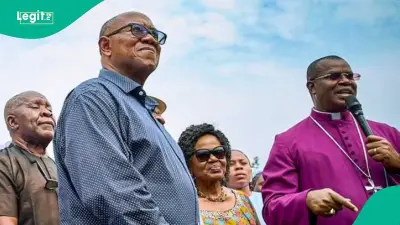
Ugochinyere levelled the serious accusation that the duo are "deliberately sabotaging" President Bola Tinubu's 'Renewed Hope' agenda. He made this call while addressing members of the All Indigenous Contractors Association of Nigeria (AICAN), who have been staging a protest at the Ministry of Finance.
The contractors are demanding the payment of a staggering N4 trillion owed to them by the federal government for contracts they have already executed. The lawmaker visited the protest site on Friday, 6 December 2025, which was the fourth consecutive day of the demonstration that began on Tuesday, 2 December 2025.
Non-Payment Sign of a Distressed Economy
Ugochinyere stated that the failure to settle these debts is a clear indicator of a deeply troubled economy. He argued that paying local contractors is the most effective way to stimulate economic activity.
"There is no other way to renew hope than to pay local contractors who will now pay their suppliers. It's the surest way to inject liquidity and renew economic hope in the country," Ugochinyere asserted.
He was unequivocal in his criticism of the finance minister and the FIRS chairman, linking public anger directly to their actions. "The finance minister and the FIRS man are not doing Mr. President any good because people are so angry. Families cannot fulfil their obligations. Banks cannot get their money back," he said.
The lawmaker questioned their continued stay in office, declaring, "If the local contractors cannot be paid, I don't think there is any reason why the finance minister should be in office. It's not a favour, it's a call to national duty."
Questions Over 'Renewed Hope' Infrastructure Fund
Ugochinyere challenged the government's claim of lacking funds, pointing to FIRS's reports of increased revenue and the existence of the Renewed Hope Infrastructure Development Fund. He raised alarming allegations about the management of this fund.
He alleged that "unappropriated national revenue running into trillions has been placed there and used to award high-value contracts without parliamentary oversight." The lawmaker called on President Tinubu to personally investigate, insisting it was time to "ask for the account balance sheet of the Renewed Hope Infrastructure Development Fund."
"He needs to see the payment that they're making and compare how important they are to the lives of Nigerians to this non-payment of local contractors," Ugochinyere added.
He also strongly condemned suggestions that the Economic and Financial Crimes Commission (EFCC) should audit the already certified contracts, dismissing such ideas as "nonsense" and a mere tactic to cause further delays.
Contractors Vow to Continue Protest
The protesting contractors, under the banner of AICAN, are demanding that the Finance Minister honour an alleged promise to pay N760 billion as a first instalment of the total debt.
The President of AICAN, Mr. Jackson Nwosu, expressed deep frustration, noting that work on the projects was completed over a year ago. "The people cannot work and you don't pay them for over a year. What is Nigeria doing with the funds? What is the government of President Bola Ahmed Tinubu doing with our funds? Every contractor needs their payments," Nwosu insisted.
He voiced a serious concern that the Minister might be intentionally delaying payments until the end of the year to pass the debt into the next budget cycle, a move the association vows to resist vehemently. Nwosu declared that AICAN members are not leaving the Ministry of Finance premises until they receive their payments.
The standoff highlights a critical liquidity crisis within the government's procurement system and mounting pressure on the Tinubu administration to fulfil its financial obligations to businesses, which are crucial for economic growth.