Christian Leaders and Traditional Ruler Sound Alarm on National Crisis
In a powerful convergence of voices, prominent Christian leaders and a key traditional ruler have issued urgent calls for the Federal Government to declare a state of emergency to tackle Nigeria's deepening socio-economic and security challenges. The appeals highlight a nation at a critical juncture, with warnings that the current levels of hardship, violence, and governance failures demand immediate and extraordinary intervention.
Faith Leaders Decry Worsening Conditions
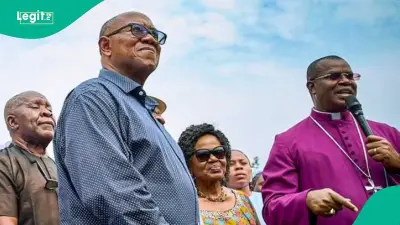
During a briefing titled 'State of the Nation: Easter Peter with Church Fathers,' hosted by Pastor Yomi Kasali, several influential Christian figures expressed profound concern over the deteriorating situation. They pointed to rising poverty, rampant insecurity, crumbling infrastructure, and what they described as weakening democratic institutions as indicators of a system in distress.
Rev. Felix Omobude, former President of the Pentecostal Fellowship of Nigeria (PFN), emphasized that any path to national renewal must be built on a foundation of truth, justice, and responsible leadership. He stressed that religious leaders have a moral obligation to speak out against the growing suffering faced by citizens across the country.
Bishop Mike Okonkwo, General Overseer of The Redeemed Evangelical Mission (TREM), painted a stark picture of the economic landscape. He described the situation as dire, noting that despite Nigeria's vast natural resources, skyrocketing living costs have plunged countless Nigerians into extreme hardship. Bishop Okonkwo characterized the economic plight as a full-blown emergency requiring swift and decisive government action.
Ayo Oritsejafor, founder of Word of Life Bible Church, shifted focus to the political sphere, voicing alarm over Nigeria's electoral culture. He argued that politics has become excessively monetized and disconnected from genuine public service, undermining democratic integrity.
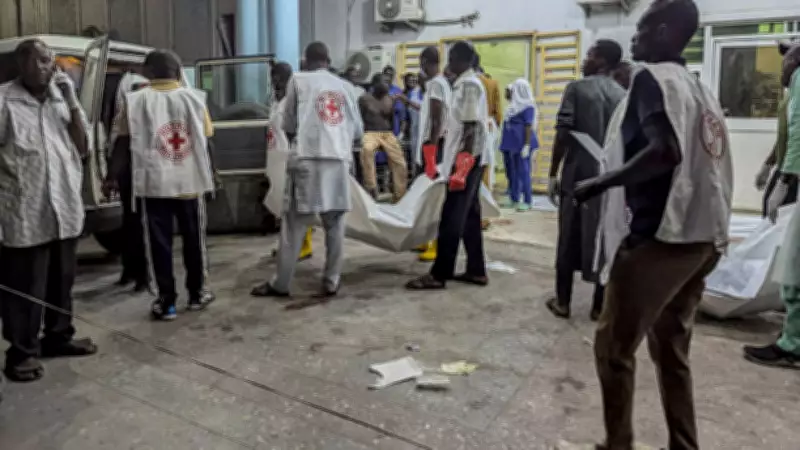
Isa El-Buba, PFN National Vice-President for the North Central Zone, highlighted the escalating security crisis, particularly in northern Nigeria. He cited the alarming increase in internally displaced persons and the destruction of entire communities by violence as evidence of a security apparatus failing to protect its people.
Olubadan Urges Grassroots Security Vigilance
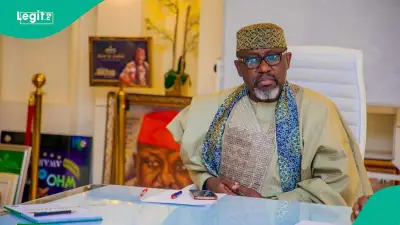
In a related development, the Olubadan of Ibadanland, Oba Rashidi Adewolu Ladoja, has called on community leaders to prioritize the security of their domains. The monarch made this appeal during the installation of Mogajis (family compound heads) and Baales (community heads) at his Palace in Oja'ba, Ibadan. This ceremony marked the first such installation since his coronation on September 26, 2025.
In a statement delivered by his Media Aide, Adeola Oloko, Oba Ladoja underscored that security remains one of Nigeria's greatest challenges. He urged the newly installed leaders, as grassroots authorities in Ibadan city and surrounding areas, to exercise heightened vigilance over their environments.
"If it were for glamour alone, this installation exercise would not have been necessary," the Olubadan stated. "But it is well because of the responsibility attached to it that we are here to formalise your appointment." He further tasked them with sensitizing youths to consider joining security agencies during recruitment drives, aiming to bolster local security participation.
The combined messages from these religious and traditional leaders create a compelling narrative: Nigeria's economic distress and security vulnerabilities have reached a tipping point. Their calls for a state of emergency reflect a widespread perception that conventional governance measures are insufficient to address the scale of the crises, signaling a demand for unprecedented action to restore stability and hope.