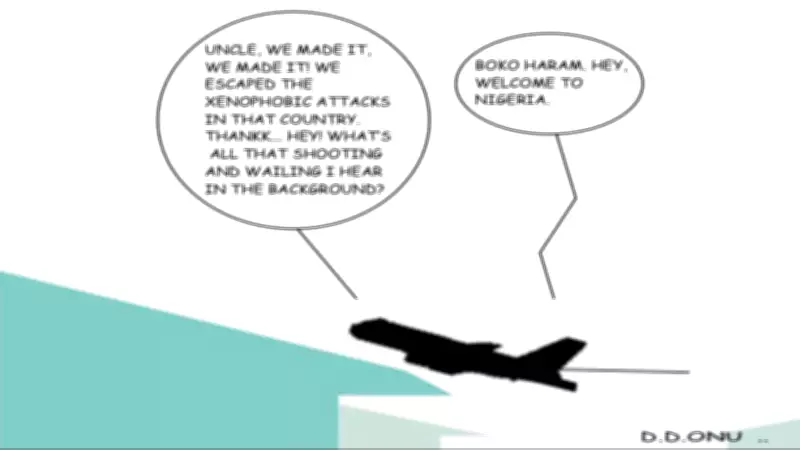
A recent cartoon published by The Guardian Nigeria captures the nation's ongoing economic difficulties with sharp visual satire. The illustration portrays ordinary Nigerians facing the harsh realities of rising inflation, widespread unemployment, and deepening poverty, all against a backdrop of ineffective government policies.
Symbolism in the Cartoon
The cartoon uses powerful imagery to convey the frustration of the populace. It shows a family struggling to afford basic necessities, while politicians are depicted as detached from the suffering. The contrast between the wealthy elite and the struggling masses is stark, highlighting the growing inequality.
Inflation and Cost of Living
One of the central themes is the soaring cost of living. The cartoon includes price tags on essential items like food and fuel, which have become increasingly unaffordable for many Nigerians. This reflects the real-world impact of inflation, which has eroded purchasing power and pushed more people into poverty.
Unemployment Crisis
Another key element is the depiction of joblessness. Young graduates are shown holding degrees but unable to find work, symbolizing the disconnect between education and employment opportunities. The cartoon criticizes the lack of job creation and the failure of economic reforms to address this issue.
Government Response
The cartoon also takes aim at government responses, which are portrayed as inadequate or out of touch. Policy announcements are shown as empty promises, with no tangible improvement in people's lives. This reflects public sentiment that authorities are not doing enough to alleviate the economic hardship.
Public Reaction
The cartoon has resonated with many Nigerians, who see it as a truthful representation of their daily struggles. Social media platforms have seen widespread sharing, with users expressing agreement and adding their own experiences. It has sparked discussions about the need for more effective economic management and accountability.
Broader Implications
Beyond immediate economic issues, the cartoon underscores deeper systemic problems, including corruption, mismanagement, and lack of diversification. It calls attention to the urgent need for structural reforms to build a more resilient and inclusive economy.
In summary, The Guardian's cartoon serves as a poignant commentary on Nigeria's economic challenges, using humor and symbolism to critique the status quo and advocate for change.