NUJ and ICPC Collaborate to Enhance Journalists' Anti-Corruption Expertise in Abuja Workshop
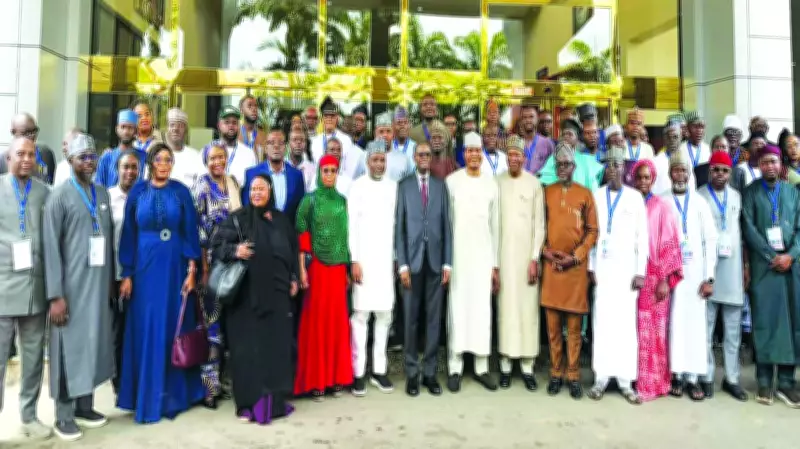
In a significant move to bolster the fight against corruption, the Nigeria Union of Journalists (NUJ) and the Independent Corrupt Practices and other Related Offences Commission (ICPC) recently convened a stakeholders' engagement forum in Abuja. This event was designed to deepen journalists' understanding of anti-corruption governance and reinforce their critical role in Nigeria's national strategy.
Strengthening Media and Anti-Corruption Agency Partnerships
Themed 'Reinvigorating the national anti-corruption strategy (2022–2026): A post-assessment roadmap for the fourth estate,' the workshop highlighted the natural and strategic partnership between the media and ICPC. NUJ President, Alhassan Yahya Abdullahi, emphasized that corruption remains a formidable barrier to development, systematically weakening institutions and eroding public trust. He noted that the media serves as a primary source of information and a catalyst for accountability, aligning perfectly with ICPC's mandate focused on enforcement, prevention, and public enlightenment.
Key Insights from Anti-Corruption Leaders
ICPC Chairman Musa Adamu Aliyu described the media as a cornerstone of the anti-corruption framework, underscoring journalists' roles as watchdogs, agenda-setters, and catalysts for institutional reform. He cautioned that without a vibrant, responsible, and ethical press, the fight against corruption risks losing a crucial pillar. Aliyu urged media practitioners to uphold accuracy, fairness, and professionalism to sustain public trust, while disclosing that ICPC recovered over N37.44 billion in 2025, highlighting the need for sustained collaboration to consolidate progress.
In his keynote address, Prof. Umaru Pate, a Media History expert, observed that corruption thrives in darkness, but journalism brings light. He underscored the media's indispensable role in reinforcing Nigeria's anti-corruption architecture, identifying corruption as an economic, governance, and moral challenge. Pate pointed out challenges to the National Anti-Corruption Strategy (NACS) (2022–2026), including weak inter-agency coordination, low public awareness, inadequate media engagement, political interference, and judicial delays. He argued that tackling corruption requires more than prosecution; it demands preventive systems, transparency, and active citizen participation.
Proposed Roadmap and Recommendations for Journalists
Prof. Pate proposed a comprehensive roadmap for journalists, urging them to:
- Embrace data-driven reporting to enhance accuracy and impact.
- Strengthen collaboration with anti-corruption agencies for better information sharing.
- Uphold ethical standards to maintain credibility and public trust.
- Promote civic education to empower citizens in the fight against corruption.
- Advocate for the protection and safety of journalists to enable fearless reporting.
He also called for increased scrutiny of public procurement, budget implementation, asset declarations, and election financing to prevent corrupt practices before they occur.
Goodwill Messages and Communique Resolutions
The workshop featured goodwill messages from key stakeholders, including the Minister of Information and National Orientation, Mohammed Idris, represented by the Director-General of the Voice of Nigeria, Jibrin Baba Ndace, and the Chairman of the Senate Committee on Anti-Corruption, Senator Emmanuel Udende, represented by the Clerk of the Committee, Emenike Uboh. Representatives from the Federal Radio Corporation of Nigeria, National Broadcasting Commission, and Nigerian Television Authority also contributed to the discussions.
Following the event, a communique signed by the ICPC Chairman and NUJ President was released, outlining several resolutions to enhance anti-corruption efforts:
- Anti-corruption agencies should establish a dedicated 'Media Desk' to provide real-time, non-classified data to journalists, fostering transparency and evidence-based reporting.
- The media should be recognized not just as observers but as catalysts for reform, with legal protections and incentives provided to support their work.
- Specialized training programs should be organized to equip journalists with skills to interpret NACS pillars, focusing on Public Financial Management and ethics compliance.
- Media should commit to preventive advocacy, shifting the narrative from 'Prosecution Only' to 'Preventive-First' by highlighting successful reforms and exposing vulnerabilities in public procurement.
- Effective legislative support, including expedited passage of enhanced Whistleblower Protection legislation, is needed to safeguard media sources and professional integrity.
- A tripartite monitoring committee comprising government, media, and civil society organizations should be formed to conduct quarterly reviews of NACS progress leading up to 2026.
- For NACS to succeed, the media must investigate fearlessly, report responsibly, educate citizens, and hold power accountable.
Conclusion: A Renewed Commitment to a Corruption-Free Society
In conclusion, participants reaffirmed their commitment to the success of the NACS, emphasizing that a reinvigorated fourth estate is essential for delivering a corruption-free society. This workshop marks a pivotal step in strengthening the collaboration between journalists and anti-corruption agencies, aiming to enhance transparency, accountability, and national development in Nigeria.