Ex-Governor Sule Lamido's N1.3 Billion Fraud Arraignment Stalled Again in Abuja Court
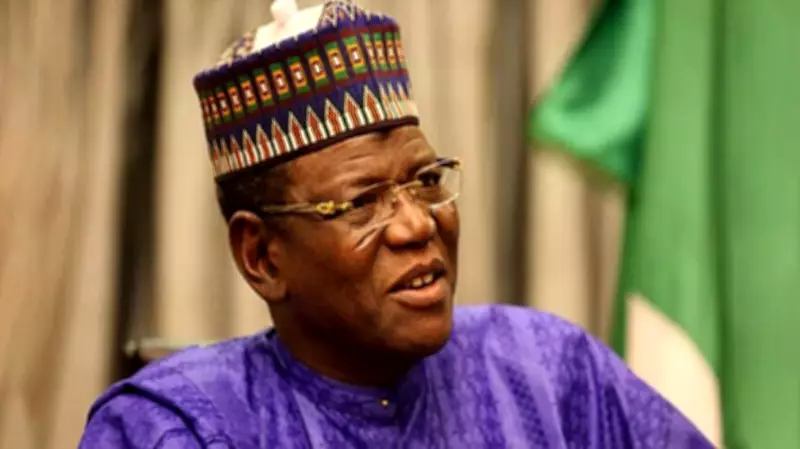
The fresh arraignment of former Jigawa State Governor, Alhaji Sule Lamido, at the Federal High Court in Abuja on alleged N1.3 billion corruption charges has been aborted once more. This development marks another delay in the long-running legal battle initiated by the Economic and Financial Crimes Commission (EFCC).
Court Proceedings and EFCC Objection
Lamido, alongside his two sons, Aminu Lamido and Mustapha Lamido, who are accused of participating in the fraud through fictitious contract awards, were scheduled to be docked on April 1. Despite the presence of all the accused persons in court, the arraignment could not proceed. This follows a previous stall on March 13 due to the absence of the defendants, attributed to late service of trial notices.
During Wednesday's proceedings, after Lamido and his sons were placed in the dock for their plea to be taken, the EFCC raised an objection to the fresh arraignment. Chile Okoroma, a Senior Advocate of Nigeria representing the EFCC, argued that proceeding would violate a Supreme Court order. He directed Justice Peter Lifu's attention to a judgment delivered on January 16, 2026, which stated that Justice Ijeoma Ojukwu, who began the trial in 2015 before her transfer to the Calabar division, should conclude the case.
Okoroma explained that the EFCC had written to the Chief Judge of the Court, Justice John Tsoho, requesting a fiat to bring Justice Ojukwu back from Calabar to Abuja to resume the trial as mandated by the Supreme Court. He pleaded for an adjournment to await the Chief Judge's response, emphasizing a desire to avoid wasting the court's time on a new arraignment.
Background of the Case
The EFCC had charged Lamido, his two sons, and their companies, Bamaina Holdings Ltd and Speeds International Ltd, in 2015 with 27 counts of money laundering involving N1.3 billion. The funds were allegedly siphoned from Jigawa State during Lamido's tenure as governor from 2007 to 2015, through kickbacks from state government contracts.
After the EFCC called more than 17 witnesses and closed its case, the defendants filed a no-case submission, arguing insufficient evidence to require a defense. In November 2022, trial judge Ijeoma Ojukwu dismissed this submission and ordered them to enter a defense. Lamido appealed this ruling, and in July 2023, the Court of Appeal upheld the no-case submission, ruling that the Federal High Court in Abuja lacked territorial jurisdiction, as the alleged offences occurred in Jigawa State.
The EFCC proceeded to the Supreme Court, which on January 16, 2026, set aside the Court of Appeal's decision. A five-member panel, in a unanimous judgment delivered by Justice Abubakar Umar, held that the defendants had a case to answer and ordered the matter returned to the Federal High Court for continuation of the trial.
Current Status and Next Steps
Following no objection from Chief Joe Agi SAN, who represented the accused persons, Justice Peter Lifu adjourned the case to April 30 to await the Chief Judge's reaction to the EFCC's request. The EFCC counsel recalled that his client had already presented 17 witnesses who testified against the accused before closing its case, paving the way for the defense to open.
This ongoing legal saga highlights the complexities and delays often associated with high-profile corruption cases in Nigeria, as judicial procedures and jurisdictional issues continue to impact the timeline of justice.