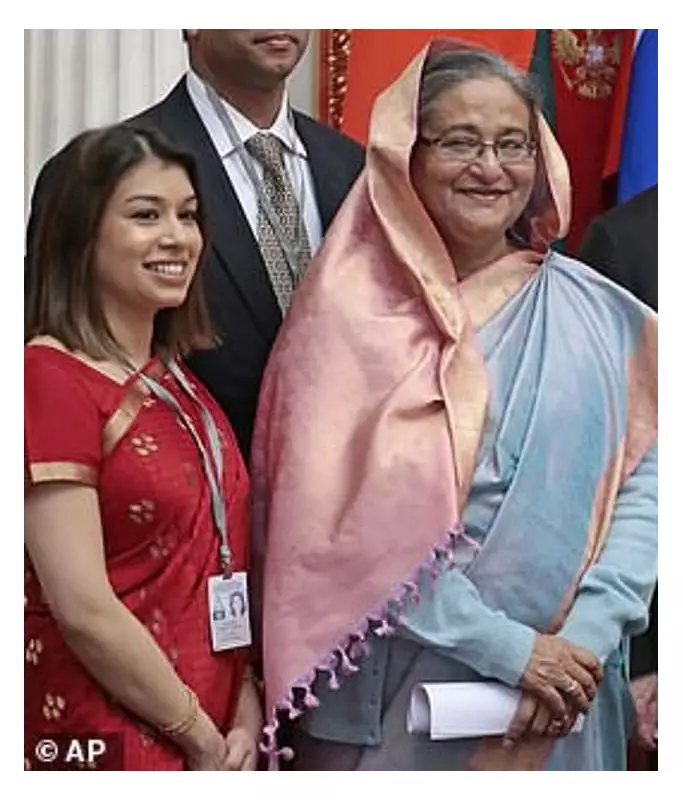
A court in Bangladesh has found British-Bangladeshi politician and Labour Member of Parliament, Tulip Siddiq, guilty of corruption and sentenced her to two years in prison. The 43-year-old, who previously served as the UK's anti-corruption minister, was tried in absentia alongside 16 other individuals.
Details of the Court's Ruling and Allegations
The case centred on allegations that Ms Siddiq unduly influenced her aunt, the country's ousted Prime Minister Sheikh Hasina, to secure a plot of land for her family on the outskirts of Dhaka. Judge Rabiul Alam delivered the verdict, also imposing a fine of 100,000 Bangladeshi Taka (approximately £620). The court stated that failure to pay this fine would result in an additional six months being added to her prison sentence.
Ms Siddiq has consistently and strongly denied all charges, labelling the proceedings a politically motivated witch-hunt by the Bangladeshi authorities. The sentencing follows the conviction of her aunt, Sheikh Hasina, 78, last week in the same case, who received a 23-year prison term.
International Backlash and Political Fallout
The trial has drawn significant criticism from prominent figures in the United Kingdom. A group of leading British lawyers and former ministers, spearheaded by Cherie Blair KC, signed a joint letter condemning the process as "contrived and unfair." The letter, addressed to the Bangladesh High Commissioner to the UK, argued that Ms Siddiq was being tried in her absence without justification and that the proceedings fell short of international standards of fairness.
They further claimed that a lawyer Ms Siddiq appointed in Bangladesh was forced to withdraw after reporting he had been placed under house arrest and his daughter threatened. This latest development is likely to trigger renewed calls for the MP for Hampstead and Highgate to step down from her parliamentary position.
Background and Previous Controversies
Ms Siddiq was compelled to resign from her role as Economic Secretary to the Treasury earlier this year after the Daily Mail reported she was under investigation in Bangladesh in connection with a separate £4 billion bribery case related to a Russian-built nuclear power plant deal—a claim she also denies.
Subsequent reports revealed discrepancies about the purchase of her London flat, which she initially said was bought by her parents but was later found to have been a gift from a political ally of her aunt. An inquiry by the UK's independent watchdog on Ministerial Standards, Sir Lauri Magnus, concluded she did not breach the Ministerial Code but should have been more aware of the "reputational risks" from her family's associations.
Most of the 17 accused, including Sheikh Hasina and her sister Sheikh Rehana, were not present when the judgment was announced. The case continues to highlight the complex intersection of international politics, family ties, and legal accountability.