The landscape of African democracy faced its most critical test during a dramatic 45-day period between September and October 2025, as four nations held presidential elections that revealed both progress and profound crisis across the continent.
Malawi's Democratic Redemption
On September 16, 2025, Malawi went to the polls in what became a remarkable demonstration of electoral integrity. The country had previously made history in 2019 when its Constitutional Court nullified a transparently rigged election that had favored then-incumbent Peter Mutharika.
In the 2020 re-run, opposition leader Lazarus Chakwera, a theologian and pastor, emerged victorious. However, by September 2025, President Chakwera had squandered the considerable civic goodwill that brought him to power.
In a stunning reversal, the 85-year-old Peter Mutharika defeated his younger opponent, securing 56.8% of the vote and demonstrating that Malawian voters could hold their leaders accountable through the ballot box.
Cameroon's Questionable Outcome
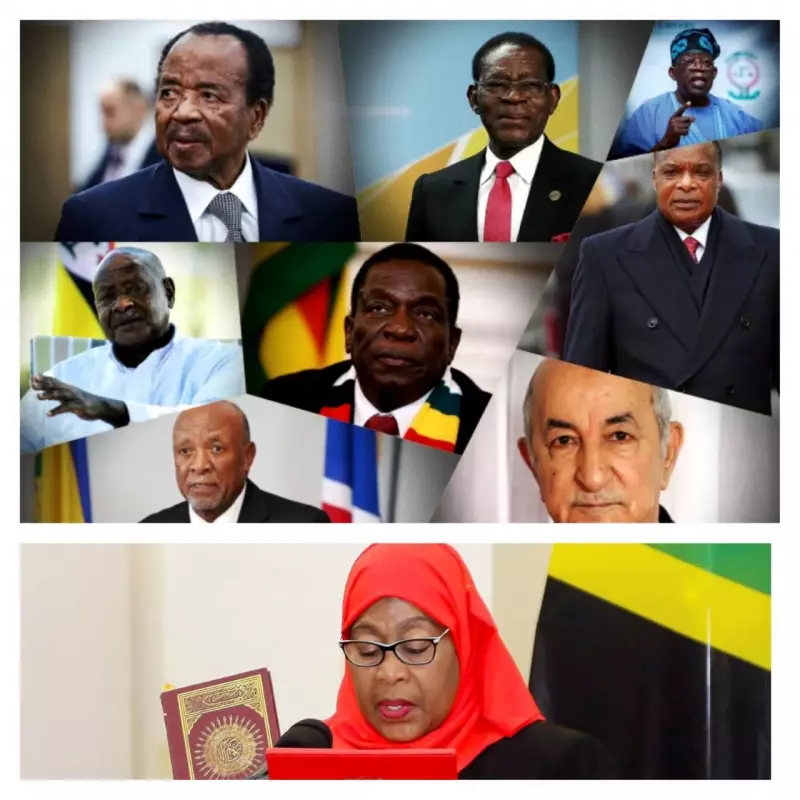
Nearly one month later on October 12, 2025, Cameroon held its presidential election featuring the world's oldest serving president, Paul Biya. At 92 years old, Biya has ruled Cameroon for 43 years since ascending to power in 1982.
His main opponent was Issa Tchiroma, a 35-year veteran of Biya's cabinet who resigned from the ruling party to challenge his former boss. The election process raised serious concerns when the Constitutional Council took 15 days to tabulate results from 8.1 million registered voters.
When results were finally announced on October 27, 2025, Biya was declared winner with 53.66% of votes, despite being unable to campaign due to infirmity. Independent analysts examining the official numbers insist he couldn't have won.
United Nations Secretary-General António Guterres pointedly declined to congratulate Biya, instead calling for a thorough investigation into post-electoral violence and reports of excessive force.
Tanzania's Electoral Massacre
The most alarming case emerged in Tanzania, where elections on October 29, 2025 descended into violence and mass murder. Incumbent President Samia Suluhu Hassan, who inherited office after her predecessor's death in March 2021, had unleashed what Amnesty International described as a wave of terror ahead of the vote.
On election day, protests erupted in key cities including Dar-es-Salaam, Arusha, Mbeya, and Mwanza. Under cover of a media blackout and internet shutdown, Samia's government orchestrated targeted mass murder in opposition strongholds.
The electoral commission declared Samia winner with 87% voter turnout and nearly 98% of the vote. Meanwhile, initial estimates of hundreds killed were quickly eclipsed by updated tallies suggesting over 5,000 casualties, with some reports indicating the number might exceed 10,000.
In an unprecedented move, both the African Union and SADC declared that Tanzania's election did not comply with AU principles. President Samia was stealthily inaugurated at a military base in Dodoma four days after the vote.
Regional Implications and Fallout
The 45-day electoral period exposed deep contradictions in African democracy. While Malawi demonstrated that credible elections are possible, Cameroon and Tanzania revealed how entrenched leaders manipulate the process to maintain power.
In Côte d'Ivoire, President Alassane Ouattara awarded himself nearly 90% of the vote in an election from which he barred all credible competition, securing a fourth term despite term limits.
The African Union and regional institutions now face mounting pressure to articulate consequences for electoral violations. There is growing consensus around the need for independent international investigations and accountability mechanisms.
Tanzania's young people are preparing for nationwide protests on December 9, 2025 - a date rich with symbolism as World Anti-Corruption Day, the anniversary of the Genocide Convention adoption, and Tanzania's Independence Day.
How African leaders and institutions handle the aftermath of these elections will have serious implications for the continent's stability and democratic future.