Nigeria's electoral landscape is taking shape as the Independent National Electoral Commission (INEC) reveals significant details about the upcoming 2027 general elections. In a crucial development, the commission has confirmed that eight states will not participate in the governorship segment of the polls due to what experts describe as off-cycle election timelines.
Why These States Are Missing From 2027 Governorship Race
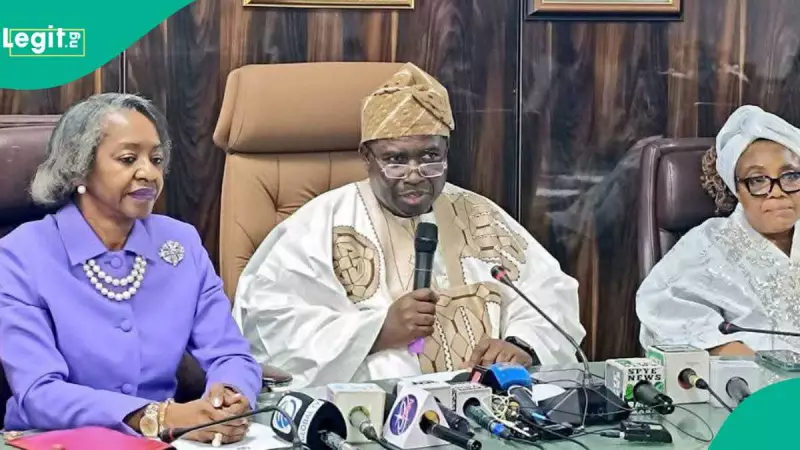
Former INEC Chairman Professor Mahmood Yakubu provided clarity on this electoral anomaly during a recent meeting of the Inter-Agency Consultative Committee on Election Security. He explained that these eight states have experienced shifts in their political calendars primarily due to court rulings and constitutional adjustments that altered their original election schedules.
Professor Yakubu emphasized that while governorship elections typically follow a four-year cycle across Nigeria, legal developments and tribunal verdicts in these specific states have created what electoral officials now term off-cycle polls. These elections now occur independently from the national voting period that characterizes general elections.
The Complete List of Affected States
The eight states that will conduct their governorship elections outside the 2027 general elections include:
Anambra State - Currently preparing for its gubernatorial election scheduled for November 8, 2025
Bayelsa State
Edo State
Ekiti State
Imo State
Kogi State
Ondo State
Osun State
This development means that voters in these states will not be electing new governors during the 2027 general elections, though they will still participate in other electoral contests.
What Voters Can Expect in 2027
Despite the absence of governorship elections in these eight states, Professor Yakubu confirmed that all 993 state assembly constituencies across Nigeria will conduct their elections as part of the 2027 general elections. This ensures that legislative representation remains consistent nationwide while accommodating the unique electoral calendars of the affected states.
The former INEC chairman noted that governorship elections will proceed normally in the remaining 28 states, maintaining the democratic process across most of the federation. This arrangement reflects INEC's commitment to adhering to court-mandated schedules while preserving the integrity of Nigeria's electoral system.
This electoral configuration continues a pattern that has developed over recent election cycles, where legal interventions and constitutional interpretations have created staggered election timelines across different Nigerian states. Political analysts suggest this trend may continue as election-related litigation remains common in Nigeria's vibrant democracy.