Restoring Nigeria's Democratic Promise: Athena Centre Takes Stand for 2027 Elections
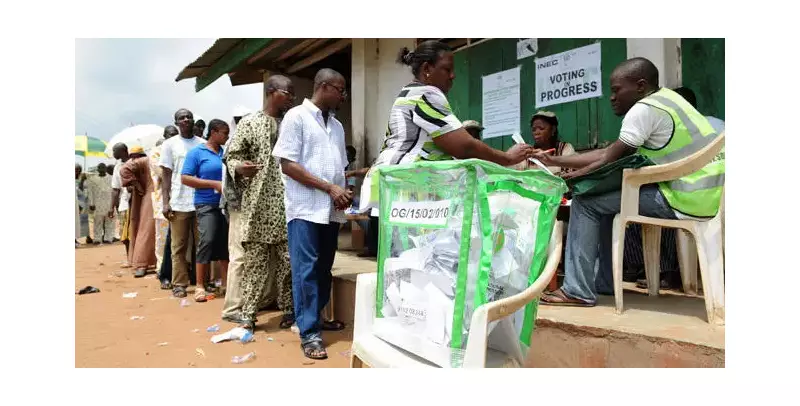
Nigeria's Independent National Electoral Commission (INEC) faces mounting pressure to embrace complete technological transparency ahead of the 2027 general elections. With just seventeen months remaining until the polls and a new chairman at the helm, INEC possesses both the time and constitutional mandate to implement crucial reforms that could prevent a repeat of the 2023 electoral disillusionment.
Athena Centre's Landmark Dialogue Sparks Reform Momentum
The Athena Centre for Policy and Leadership emerged as a catalyst for change through its public dialogue held on 6 October 2025 at the Shehu Musa Yar'Adua Centre in Abuja. The event, themed "Innovation in Electoral Technology 2015–2025: Gaps, Gains and the Road Ahead," marked a significant milestone in Nigeria's democratic journey, drawing together political leaders, INEC officials, academics, media professionals, and civil society representatives.
Since its establishment in 2023, the Centre has distinguished itself as one of Nigeria's few think tanks consistently engaging with governance and electoral systems through evidence-based advocacy and post-election audits.
Confronting the Ghost of 2023: Technology Alone Isn't Enough
The dialogue unfolded against the backdrop of Nigeria's contentious 2023 elections, which left many citizens disillusioned and triggered widespread calls for electoral reform. Prominent figures including Governor Charles Soludo of Anambra, Governor Dauda Lawal of Zamfara, Chief Osita Chidoka (Chancellor of the Athena Centre), and Ogbeni Rauf Aregbesola (National Secretary of the African Democratic Congress) delivered a unanimous verdict: technology alone cannot guarantee electoral credibility without parallel reforms in justice and institutional integrity.
The assessment report presented at the dialogue revealed that while INEC demonstrated commendable compliance in deploying the BVAS and IReV systems, operational irregularities persisted, leading to over-voting and accreditation inconsistencies that undermined public trust.
Roadmap for Reform: Key Recommendations Emerge
The dialogue produced concrete recommendations centered on three pillars: legal reforms, technological governance, and human capacity building. Key proposals include:
Amending the Electoral Act (2022) to explicitly mandate the use of BVAS and IReV systems, transferring the appointment of INEC leadership from presidential oversight to an independent body, and establishing legal penalties for discrepancies between accreditation figures and declared results.
On the technological front, stakeholders urged INEC to conduct nationwide pre-election stress tests, enhance device reliability, expand server capacity, and create AI-supported monitoring units to detect anomalies in real-time. The call for publishing BVAS accreditation counts alongside official results and ensuring complete upload of Form EC8B to IReV at all collation levels emerged as critical transparency measures.
The human element received equal attention, with recommendations for comprehensive training of electoral officers, professional IT support during elections, and integrating ethics modules into staff orientation. The dialogue also emphasized the need to synchronize the voter register with the National Identity Database (NIN) and sustain voter education programs.
Athena Election Observatory: A New Watchdog Emerges
The formal launch of the Athena Election Observatory (AEO) represents the Centre's most tangible commitment to electoral reform. The AEO will deploy 1,000 observers during the Anambra governorship election on 8 November 2025 to monitor technological performance and administrative compliance.
Beyond immediate observation, the AEO is developing a comprehensive suite of initiatives including a Post-Election Dialogue Series, an Electoral Health Scorecard, and an Annual State of Elections in Africa Report—all designed to sustain reform momentum through evidence-based advocacy.
As Nigeria approaches the 2027 elections, the success of democratic renewal hinges on three principles: independence, transparency, and accountability. INEC must resist political pressure, the judiciary must protect electoral integrity, and political leaders must embrace difficult reforms. The Athena Centre has laid the groundwork—now Nigeria must find the will to implement it.