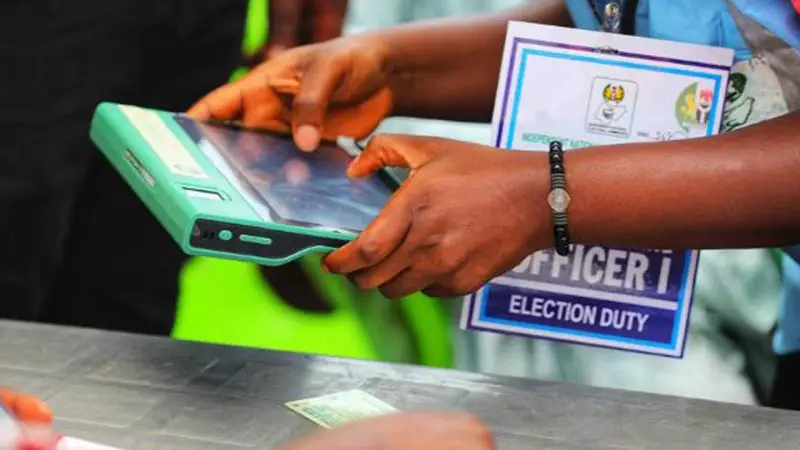
With the 2027 general elections on the horizon, the painful memories of the 2023 polls continue to haunt Nigeria's democratic landscape. The Independent National Electoral Commission (INEC) had promised a revolution in transparency through technology, specifically the Bimodal Voter Accreditation System (BVAS) and the INEC Result Viewing Portal (IREV). Yet, what was delivered felt to many like a profound betrayal of public trust.
The Broken Promise of Real-Time Transparency
During the 2023 elections, the BVAS technology performed its core task of accrediting voters with relative success. However, the system's crucial second function—the real-time electronic transmission of polling unit results to the IREV portal—collapsed spectacularly. This failure was most acute during the highly contentious presidential election, a fact that fueled widespread suspicion.
INEC's explanation of "technical glitches" was met with deep skepticism, especially as other elections deemed less sensitive experienced fewer problems. For countless citizens, this was not a simple tech failure; it was a deliberate undermining of electoral integrity, shaking faith in the very institution meant to protect democracy.
Judicial Rulings That Deepened the Crisis
The public's disappointment turned to alarm following rulings from the Presidential Election Petition Tribunal and the appellate courts. The judiciary determined that INEC was not legally obligated to transmit results electronically. This interpretation of the Electoral Act 2022 sent shockwaves through legal and civil society circles.
Many had believed the new law mandated technological transparency. Instead, the courts exposed significant legislative loopholes and reaffirmed INEC's broad discretionary powers. The chilling message was clear: the use of IREV is optional, not a compulsory safeguard for the electoral process.
The Imperative for Reform Before 2026
For the 2027 elections to be credible, mere promises from INEC are insufficient. The legal framework must be strengthened to mandate, not just suggest, technological transparency. To prevent a repeat of 2023, the National Assembly must enact urgent amendments to the Electoral Act. These reforms should include:
- A clear, unambiguous mandate for the electronic transmission of results from all polling units.
- A legal definition of the status of results published on IREV, making them primary evidence in election tribunals.
- Strict penalties for INEC officials who deliberately violate technological protocols.
- An independent, transparent framework for auditing digital systems to verify claims of technical failure.
Without these concrete steps, tools like BVAS and IREV risk remaining cosmetic features rather than genuine pillars of democratic integrity.
A Wake-Up Call for Civil Society
As political actors begin their manoeuvres for 2027, civil society organisations, legal practitioners, and the media must intensify pressure for legislative change. Electoral credibility cannot be secured in the panic of an election year. All necessary reforms must be debated, passed, and fully operationalised well before 2026. Any delay beyond this point would appear less like negligence and more like a deliberate design to maintain a flawed status quo.
The core technology of BVAS and IREV was designed to work. The failure in 2023 was not in the machines but in the lack of political will to let them function fully and the absence of legal courage to enforce their use. As Nigeria approaches another pivotal election cycle, citizens must demand clarity, enforceability, and accountability. Technology must serve the people, not just the convenience of those in power. If nothing changes, 2027 threatens to be a painful reenactment of a broken promise.
Zebulon Chinedu Obi, a legal practitioner and policy commentator based in Lagos, specialises in electoral justice and constitutional law. Date: 12 January 2026.