Congo-Brazzaville Court Affirms Nguesso's Re-election with 95% of Votes
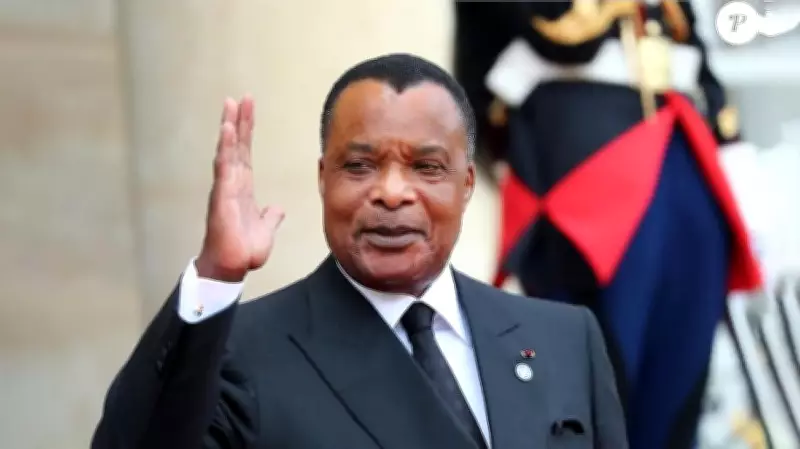
The constitutional court in Congo-Brazzaville has officially confirmed the re-election of President Denis Sassou Nguesso, who secured an overwhelming 95 per cent of the vote in the recent election. This decision extends the rule of the 82-year-old leader, who has been at the helm of the oil-rich central African nation for over four decades.
Court Announces Election Results
Auguste Iloki, the head of the constitutional court, declared during a public hearing that Nguesso won an absolute majority with 94.9 per cent of votes cast. The election, held on March 15, saw a voter turnout of 65.9 per cent, granting Nguesso a new five-year term. This victory marks another chapter in his long-standing leadership, which began in 1979.
Opposition Challenges and Court Rejection
The opposition has consistently contested every election won by Nguesso, and this instance was no exception. Dave Mafoula, one of six candidates who ran against him, formally requested that the election be declared null and void. However, the court rejected this demand, upholding the results as valid. Critics have long argued that the electoral processes under Nguesso's regime lack transparency and democratic integrity.
Historical Context of Nguesso's Rule
Denis Sassou Nguesso first led Congo-Brazzaville under a one-party system from 1979 to 1992, before losing the country's inaugural multi-party elections. He regained power in 1997 through a civil war, overthrowing the elected winner. Since 2002, he has been re-elected five times, with opposition groups alleging that these votes were neither free nor fair. Nguesso is now one of Africa's longest-serving leaders, alongside figures like Equatorial Guinea's Teodoro Obiang Nguema Mbasogo and Cameroon's President Paul Biya.
Stability and Human Rights Concerns
While Nguesso can point to having brought some stability to Congo-Brazzaville, human rights organizations regularly accuse him of persecuting opposition activists. Notably, two challengers from the 2016 election are currently serving 20-year prison sentences for allegedly threatening internal security. These actions have drawn international criticism and raised questions about the state of democracy in the country.
Constitutional Limits and Future Prospects
The constitution of Congo-Brazzaville prohibits Nguesso from standing for re-election in 2031, once his current fifth term concludes. This provision sets a potential endpoint to his decades-long tenure, though the political landscape remains uncertain. As the nation moves forward, the balance between stability and democratic freedoms continues to be a point of contention among citizens and observers alike.