Consensus Plot Threatens Internal Democracy in Nigerian Political Parties
As the ruling All Progressives Congress (APC) prepares for its second national convention, the adoption of a consensus approach for selecting national leadership has raised significant concerns about the erosion of internal democracy within political parties. Scheduled for March 27–28 in Abuja, this move sets a precedent for other parties ahead of next month's candidate selection processes.
Electoral Act 2026 and Its Implications
The Electoral Act 2026 has abolished the delegates system for candidate selection, narrowing options to consensus arrangements or direct primaries where all party members participate. However, the logistical challenges of conducting direct primaries within the tight election timetable released by the Independent National Electoral Commission (INEC) have made consensus the preferred choice for many parties. Political observers warn that this trend, dubbed the 'Coronation of anointed candidates,' could lead to a bandwagon effect, weakening internal party democracy and stifling the political space by preventing politicians from testing their popularity in primaries.
APC's North Central Zonal Congress
A clear example of this dynamic emerged during the APC North Central Zonal Congress in Lafia, Nasarawa State. Secretary to the Government of the Federation, Senator George Akume, led governors and delegates to affirm President Bola Tinubu as the sole candidate for the 2027 presidential election. The motion was seconded by Nasarawa State Governor Abdullahi Sule, who cited Tinubu's economic reforms as justification. Akume urged party members not to become complacent, emphasizing the need for hard work to secure victory in 2027.
South-South and Other Regional Developments
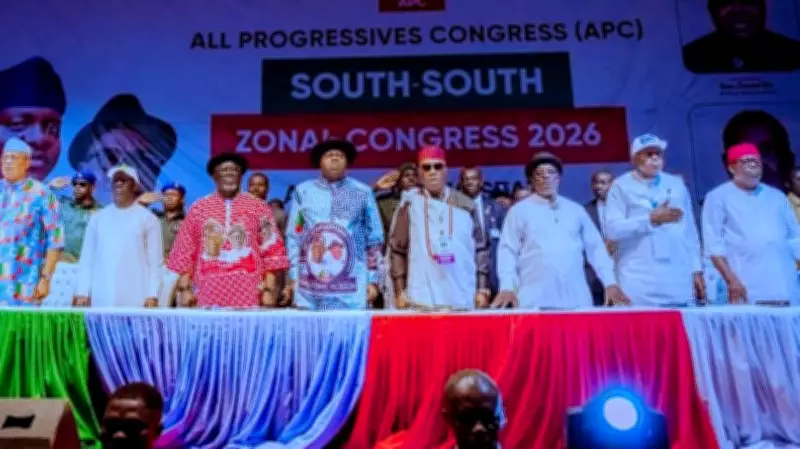
At the South-South Zonal Congress in Asaba, Delta State, Bayelsa State Governor Douye Diri praised the consensus mode as a means to foster unity and consolidate the party ahead of the 2027 general elections. Senate President Godswill Akpabio called for massive mobilization to deliver the highest votes for Tinubu's re-election. Similarly, consensus arrangements were ratified in the Southwest, Southeast, and Northwest zones, with key figures like Dr Isaacs Kekemeke and Dr Ijeoma Arodiogbu re-elected through voice votes.
Challenges from Recent Defections
The influx of governors from opposition parties into the APC has introduced both benefits and obstacles. While the party has leveraged incumbency to promote consensus, tensions have arisen over zoning and retention of national officers. For instance, in Delta and Enugu states, new governors' political interests have clashed with existing party structures, leading to behind-the-scenes negotiations to avoid conflicts at the convention.
Governors as Power Brokers
As the APC convention approaches, governors are emerging as decisive power brokers, shaping leadership outcomes and the party's future direction. Through closed-door consultations, they have agreed to uphold the current zoning formula to promote stability and equity across geopolitical zones. This move is expected to result in consensus candidates for most positions, reinforcing elite agreements and minimizing factional disputes.
Conclusion
The consensus approach, while streamlining party processes, poses a significant threat to internal democracy by limiting competitive primaries and entrenching the 'godfather' system. As political parties navigate the new Electoral Act 2026, the balance between efficiency and democratic principles remains a critical issue for Nigeria's political landscape.