A coalition of civil society organisations and pro-democracy advocates has issued an urgent plea to the leadership of Nigeria's National Assembly, demanding immediate action to safeguard the nation's electoral future.
Immediate Reconvention Demanded Amidst Democratic Concerns
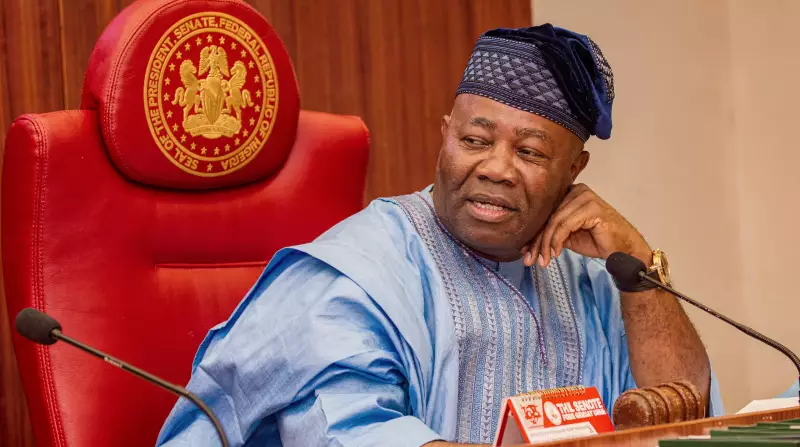
The AdvoKC Foundation, a group dedicated to transparency and democratic governance, has called on Senate President Godswill Akpabio and other leaders of the 10th National Assembly to cut short their recess and return to work. In a statement released on Sunday, January 12, 2026, by its Communications Manager, Luqman Adamu, the organisation sounded the alarm that Nigeria's democracy is at a critical juncture.
The core of their concern is the pending 2025 Electoral Act Amendment Bill. The group argues that the Senate's continued break, despite the time-sensitive nature of this legislation, poses a direct threat to the integrity of the next general elections.
The Ticking Clock of INEC's Legal Deadline
The urgency stems from a specific provision in the existing Electoral Act. This law mandates the Independent National Electoral Commission (INEC) to issue a formal Notice of Election at least one year before the scheduled polls. If the new Electoral Bill is not passed and signed into law before INEC issues this notice, the commission will be legally compelled to conduct the elections under the current 2022 Electoral Act.
AdvoKC Foundation has labelled the 2022 Act as outdated and flawed. Proceeding under this old framework, they warn, would undermine crucial reforms and further damage public trust in Nigeria's electoral system, which is still recovering from past controversies.
What's at Stake: Key Reforms in the 2025 Bill
The proposed 2025 legislation is packed with significant reforms designed to address long-standing electoral challenges. The foundation highlighted several pivotal changes that could be lost if the bill is delayed:
- Early release of funds to INEC to facilitate better planning and logistics.
- Mandatory submission of audited accounts by the electoral commission to boost financial accountability.
- The use of National Identification Number (NIN) for voter registration to create a more reliable and cleaner voters' register.
- Clearer and stricter election timelines.
- The introduction of early voting options to reduce congestion on election day.
- Expanded voting rights for inmates in correctional facilities.
These measures are seen as essential for enhancing transparency, reducing logistical failures, and strengthening the overall credibility of the voting process.
The AdvoKC Foundation's statement serves as a stark reminder that legislative inaction has real consequences. The ball is now in the court of Senator Akpabio and his colleagues to decide whether these comprehensive reforms will see the light of day or if Nigeria will head into another major election cycle with an electoral law deemed insufficient for the demands of a modern democracy.