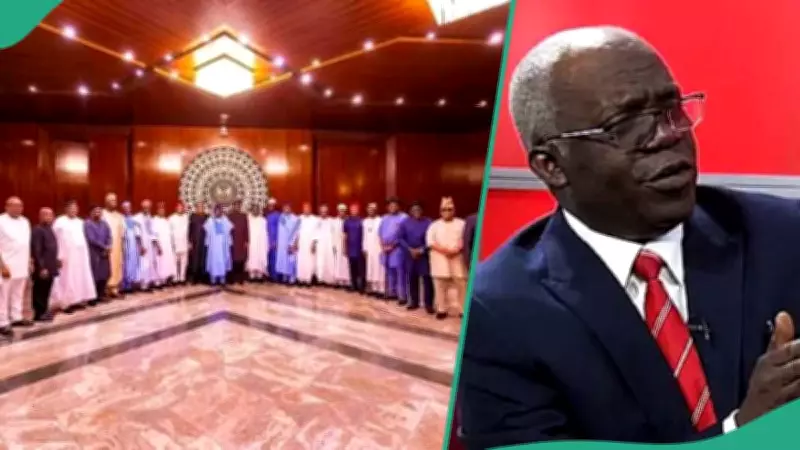
Femi Falana Alleges Electoral Act 2026 Excludes Professionals from Presidential Race
Femi Falana, a prominent Senior Advocate of Nigeria (SAN), has raised serious concerns about the newly amended Electoral Act 2026, claiming it effectively bars many professionals from contesting for the Nigerian presidency. In a viral video, Falana argued that the law, which he says requires candidates to have billions of naira, is designed by the ruling class to maintain the status quo and exclude ordinary citizens.
Financial Barriers to Presidential Aspirations
Falana explained that the Electoral Act 2026 imposes steep financial thresholds for presidential candidates, which he estimates at around 5 to 10 billion naira. He stated, "If you look at that law, it’s saying if you want to contest for the presidency of Nigeria, you must have 10 billion naira or I think 5 billion naira, isn’t it?" According to him, this requirement excludes a wide range of professionals, including professors, workers, and lawyers, who are not billionaires.
He criticized lawmakers for creating a system that favors the wealthy, noting that while they claim to represent the people, they are primarily representing their own interests. Falana emphasized that this aspect of the law has not been widely discussed, leaving many Nigerians unaware of its implications.
Public Reactions and Debate
The video has sparked significant reactions from Nigerians on social media, with many expressing frustration and skepticism about the democratic process. Below are some key comments:
- Big Gem argued that Nigeria is not practicing true democracy but plutocracy, saying, "We’re practising plutocracy, but they’re using democracy to deceive people. How many billionaires does Nigeria have?"
- Global Isaac linked the financial requirements to corruption, stating, "So you must even be a billionaire before becoming the president. So tell me why they won’t embezzle money, because all of them want to become the president."
- Máyọ̀wá clarified the law, pointing out that it limits campaign spending rather than personal wealth: "What I read was that you can’t spend more than N5 billion and N10 billion for governors and the president, respectively, for your campaign or election. It didn’t say the aspirants must have that amount before vying for the position."
- Adeniyi Andero criticized Falana for speaking out only after the law was passed, calling him a "media lawyer" and questioning his silence during the legislative debates.
Broader Implications for Nigerian Democracy
Falana's allegations highlight ongoing debates about electoral fairness and representation in Nigeria. He suggested that Nigerians should focus more on these financial barriers rather than issues like real-time transmission of election results, which he views as less critical. The controversy underscores concerns that the political system may be becoming increasingly inaccessible to non-wealthy individuals, potentially undermining democratic principles.
As discussions continue, this issue raises questions about the inclusivity of Nigeria's electoral processes and whether reforms are needed to ensure broader participation. The reactions from the public indicate a growing awareness and demand for transparency in how election laws are crafted and implemented.