In a significant decision, members of Nigeria's House of Representatives have voted down a proposal aimed at criminalising the act of buying votes during internal party elections. The move has sparked discussions about the integrity of the political nomination process in the country.
The Rejected Clause and The Vote
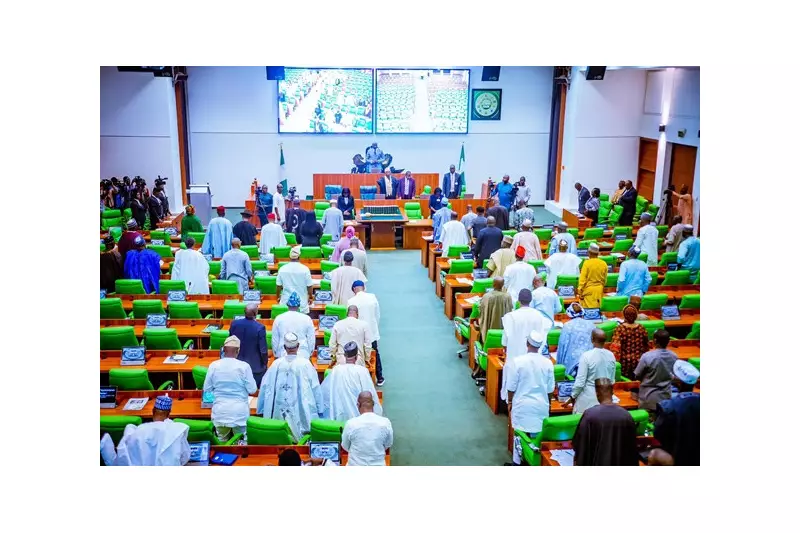
The controversial proposal was part of a broader report seeking to amend the existing Electoral Act of 2022. During a clause-by-clause consideration of the report on Thursday, December 18, lawmakers specifically debated a provision that would have imposed strict penalties for influencing party primaries.
The rejected clause, identified as Clause 89 subsection four of the amendment report, stated clearly that any person who financially or materially induces a delegate to sway the outcome of party primaries, congresses, or conventions would be guilty of an offence. The proposed punishment was severe: imprisonment for two years without an option of a fine.
However, when the presiding officer, Deputy Speaker Benjamin Kalu, called for a voice vote on the matter, the proposal was unanimously voted down by the legislators present.
Context: The Delegate System and Inducement Culture
The practice of offering cash or material incentives to delegates is a well-known feature of Nigeria's political landscape, particularly during party primaries. This is largely attributed to the delegate-based system of candidate selection, which concentrates significant power in the hands of a relatively small number of party members. These delegates ultimately decide who becomes the party's flagbearer in general elections, making them prime targets for financial inducement.
By rejecting this clause, the House has, for now, declined to introduce a legal deterrent to a practice widely criticised for corrupting the political process and favouring wealthy aspirants over potentially more qualified candidates.
Approved Tougher Penalties for Other Electoral Offences
While rejecting the clause on delegate inducement, the House demonstrated a willingness to strengthen other aspects of electoral law. The lawmakers approved significantly harsher penalties for offences related to ballot papers and election materials.
The approved provisions now stipulate the following as offences:
- Printing ballot papers or result forms without proper authority.
- Printing more than the number authorised by the Independent National Electoral Commission (INEC).
- Being found in possession of a ballot paper or result form during voting without lawful justification.
- Manufacturing, importing, or using any ballot box or device designed to secretly insert, divert, or manipulate ballot papers or result forms.
The punishment for these offences is now substantially more severe. Upon conviction, offenders will face a maximum fine of 75 million naira, a prison term of not less than 10 years, or both. This marks a decisive shift towards imposing stricter consequences for the tampering of physical electoral materials.
The decision highlights the complex challenge of reforming Nigeria's electoral system, where efforts to curb one form of malpractice are advanced while others, deeply embedded in party politics, remain unaddressed by new legal frameworks. The focus now shifts to whether the Senate will take a similar position as the amendment process continues.