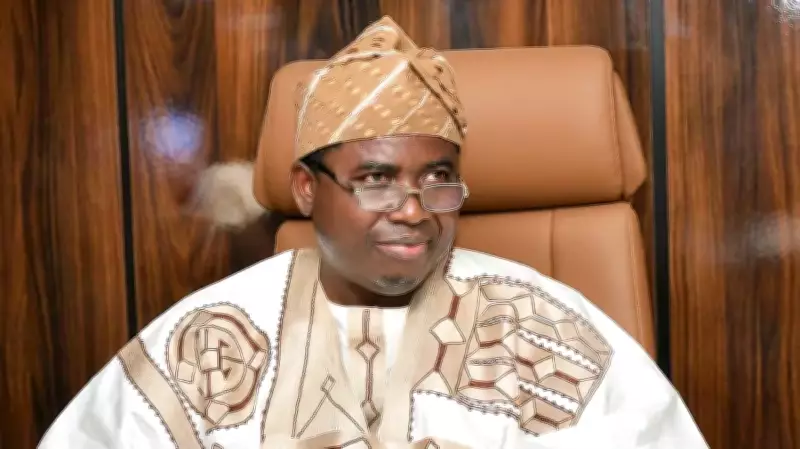
INEC Proposes Major Overhaul to Curb Flawed Primaries and Campaign Spending
The Independent National Electoral Commission (INEC) has presented draft regulations aimed at addressing opaque party primaries and unregulated campaign spending in preparation for the 2027 general elections. These proposals were unveiled on Tuesday during a consultative meeting with political party leaders held in Abuja, signaling a significant step towards electoral reform.
Enhancing Transparency and Internal Democracy
INEC Chairman, Joash Amupitan, emphasized that the reforms are designed to eliminate candidate imposition, strengthen internal democracy within political parties, and restore public confidence in the electoral process. He stated, "Credible elections begin long before polling day; they start with transparent processes that produce candidates." Amupitan linked the prevalence of flawed primaries to increased voter apathy and a surge in election-related litigation, underscoring the urgency of these changes.
Key Provisions of the Draft Regulations
The proposed 2026 Regulations and Guidelines for Political Parties represent a comprehensive update to the 2022 framework, aligning with the Electoral Act 2026. Key areas addressed include:
- Party registration and mergers
- Internal governance structures
- Campaign activities and conduct
- Conditions for deregistration of parties
According to Amupitan, the new rules introduce clearer procedures for conducting primaries, tighter controls on campaign activities, and stricter standards for financial transparency and accountability. He highlighted specific provisions on election spending, referencing Section 93(2) of the Electoral Act, which grants INEC the authority to set spending limits in consultation with political parties.
Compressed Electoral Timetable and Inclusive Measures
The reforms come as INEC operates under a compressed electoral schedule, with presidential and National Assembly elections scheduled for January 16, 2027, and governorship and state assembly polls set for February 6, 2027. Amupitan noted that these shortened timelines require "surgical precision" in planning and execution. Additionally, the draft includes measurable benchmarks to enhance participation from women, youth, and persons with disabilities, promoting inclusivity in the political process.
Informed by Research and Stakeholder Engagement
The reforms were informed by findings from the Political Party Performance Index, developed with support from the Westminster Foundation for Democracy, which revealed a "disturbing gap" between party constitutions and grassroots realities. Amupitan described the regulations as protective rather than restrictive, urging political parties to engage constructively. He asserted, "INEC remains a neutral umpire, but we will not be passive observers to the erosion of democratic values. By strengthening these rules, we are safeguarding the will of the Nigerian people—from nomination to final declaration of results."
INEC is currently seeking input from stakeholders before finalizing the regulations, which will guide political activities leading up to the 2027 elections, ensuring a more robust and transparent electoral framework.