Lagos 2027: Inside Tinubu and GAC's Search for Sanwo-Olu's Successor
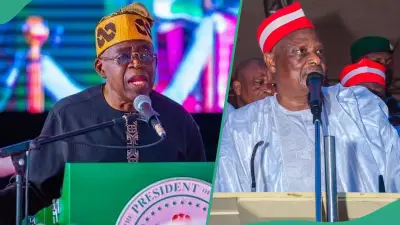
As preparations for the 2027 Lagos governorship election gather momentum, attention is focused on the intricate political maneuvers that have long defined candidate selection within the ruling All Progressives Congress (APC). In a state where consensus often overrides open contests, residents are anticipating the next strategic move from President Bola Tinubu and the Governor's Advisory Council (GAC).
The Unique Political Culture of Lagos
Across Nigeria, the 2027 election cycle is gradually intensifying, with aspirants for governorship seats mobilizing resources, building alliances, and testing their popularity. However, in Lagos State, the country's commercial hub, visible political activities ahead of the governorship race remain subdued. This reflects the entrenched political culture where candidate emergence is less about open competition and more about internal consensus shaped by the party hierarchy.
Many APC aspirants are deliberately avoiding public mobilization because such efforts do not necessarily secure the party's ticket. Historically, the real contest has occurred behind closed doors, with aspirants lobbying political leaders and gatekeepers, including President Tinubu, whose influence often serves as the final arbiter. This approach underscores the unique nature of Lagos politics, where the dominance of party elders and longstanding structures continues to shape outcomes.
Historical Precedents and Electoral Patterns
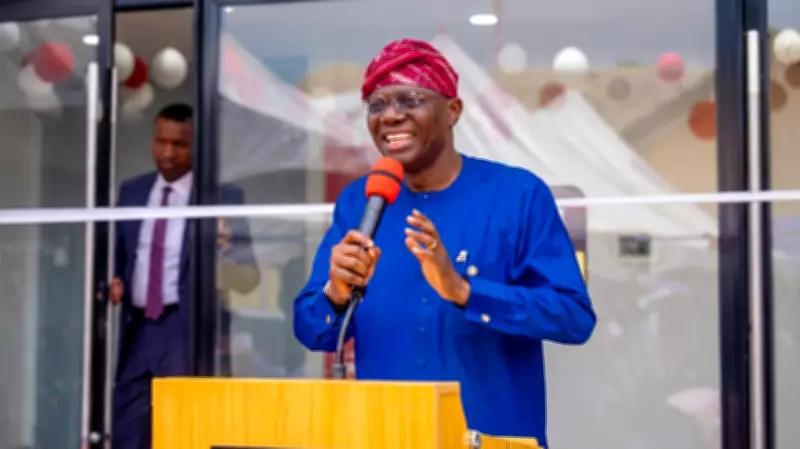
Since Nigeria's return to democratic rule in 1999, the APC's governorship ticket in Lagos has been almost synonymous with electoral victory. For instance, in 2007, Babatunde Fashola emerged as the party's flag bearer and won the main contest. Similarly, in 2015, Akinwunmi Ambode secured the ticket in a keenly contested primary and went on to become governor, as did the incumbent, Babajide Sanwo-Olu, who won after an internal party crisis.
Critical Factors: Zoning and Religion
Amid this backdrop, zoning and religion are emerging as critical factors in determining the APC's 2027 candidate. Some stakeholders argue that, with Governor Sanwo-Olu from Lagos Central and a Christian, the ticket may likely go to a Muslim from either Lagos East or Lagos West. This informal balancing arrangement, though unwritten, has often guided political calculations in the state.
However, the field of aspirants does not entirely conform to this projection. Several hopefuls either come from Lagos Central or are Christians, suggesting that the eventual decision may not strictly follow predictable patterns. Feelers from within the party indicate that prominent figures are intensifying consultations across different power blocs.
Key Aspirants and Their Profiles
Obafemi Hamzat: The incumbent Deputy Governor represents a blend of technocratic competence and grassroots engagement. Having served as commissioner under Tinubu and Fashola, and currently as deputy governor, he possesses deep institutional knowledge. Hamzat is a Muslim from Lagos East, placing him in a potentially advantageous position.
Femi Gbajabiamila: A six-term member of the House of Representatives and former Speaker, Gbajabiamila brings formidable legislative experience and national visibility. However, his origin from Lagos Central, the same district as the incumbent governor, could be a disadvantage under zoning considerations, despite his Muslim faith.
Hakeem Muri-Okunola: With a background in the Lagos civil service and close ties to President Tinubu, Muri-Okunola's ambition is anchored on administrative pedigree. Yet, his lack of electoral experience and origin from Lagos Central may pose challenges.
Tunji Alausa: A US-trained medical doctor and current Minister of Education, Alausa has a strong technocratic background. His alignment with zoning expectations as a Muslim from Lagos East works in his favour, though his grassroots base is limited.
Tayo Ayinde: Known as "Buffalo," Ayinde is a seasoned political operative and Chief of Staff to Governor Sanwo-Olu. His strength lies in grassroots networks, particularly in Lagos West, but his Christian faith may count against him under religious balancing.
Samuel Ajose: An entrepreneur from Badagry in Lagos West, Ajose stands out as an outsider. His Christian faith and lack of political profile could pose hurdles within the APC's controlled structure.
The 'Joker' Factor in Lagos Politics
One defining feature of Lagos politics is the tendency for unexpected candidates to emerge from outside the circle of frontline aspirants. Historical precedents, such as the selections of Fashola in 2007 and Ambode in 2015, highlight this pattern. Succession battles are often settled through internal negotiations long before formal primaries, with consensus candidates fitting into a broader strategic framework defined by party leadership.
As 2027 approaches, this reality continues to shape expectations. While current frontline runners intensify their efforts, the possibility of a "joker"—a relatively unexpected candidate emerging from within the system—remains strong. Beneath the surface calm lies a complex web of negotiations, alignments, and power plays that will ultimately determine who governs Nigeria's most strategic state.
Party Perspective
Speaking on the matter, APC spokesman in Lagos, Seye Oladejo, stated that the party is considering several options and will present a candidate best suited for the governorship at the appropriate time. He emphasized that many capable individuals within the APC are not pushovers, and whoever the party picks is expected to win the 2027 election.