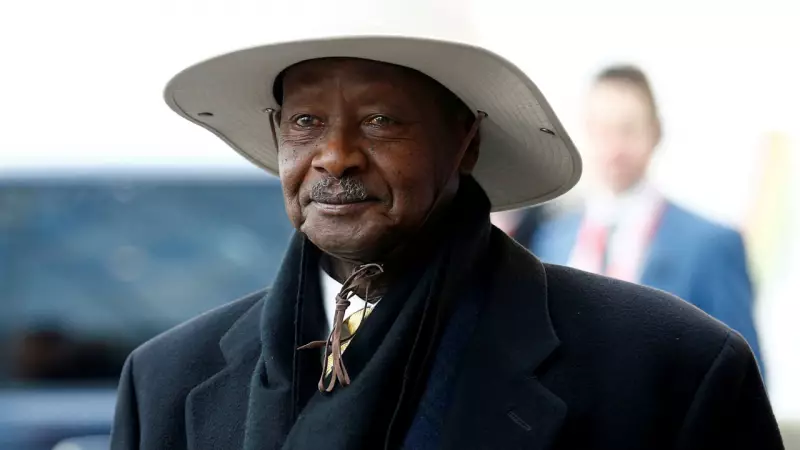
Ugandan President Yoweri Museveni has secured a seventh consecutive term in office, extending his four-decade rule following a presidential election on Thursday that was overshadowed by reports of violence, an internet shutdown, and widespread intimidation. The Electoral Commission announced on Saturday that the 81-year-old leader won with 71.65 percent of the vote.
Contested Victory and Opposition in Hiding
His main challenger, former singer and opposition figure Robert Kyagulanyi, popularly known as Bobi Wine, garnered 24.72 percent of the vote. The 43-year-old, who styles himself the "ghetto president," immediately rejected the results, calling them "fake." Wine stated he was in hiding following a raid by security forces on his home, a claim denied by police.
"I know that these criminals are looking for me everywhere and I am trying my best to keep safe," Wine posted on social media platform X. Police spokesman Kituuma Rusoke told reporters there was no raid but confirmed a security deployment around Wine's residence to prevent gatherings that could "incite violence."
Observers Report Fear, Internet Blackout Disrupts Process
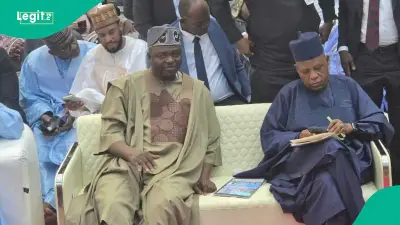
A team of African election observers, led by former Nigerian President Goodluck Jonathan, denounced the climate of fear surrounding the poll. Jonathan, representing the African Union, COMESA, and IGAD, stated that "reports of intimidation, arrest and abductions" had "instilled fear and eroded public trust in the electoral process."
The observers said they saw no evidence of the "massive ballot stuffing" alleged by Wine but criticized the government's decision to shut down the internet since Tuesday. Jonathan noted the blackout "disrupted effective observation" and "increased suspicion," though he described the actual polling day as largely peaceful.
Violence and a Long History of Control
The election period was not without bloodshed. Muwanga Kivumbi, a member of parliament for Wine's National Unity Platform (NUP), reported that security forces killed 10 of his campaign agents after storming his home on election day. Police offered a conflicting account, stating an "unspecified number" of people were "put out of action" to prevent an attack on a local tally centre.
Analysts had long viewed the election as a formality, given Museveni's total control over the state and security apparatus since seizing power in 1986. The other major opposition figure, Kizza Besigye, was abducted in Kenya in 2024 and faces an ongoing treason trial in Uganda.
Despite the controversies, many Ugandans still support Museveni for bringing stability and economic growth after years of chaos. However, his latest victory is cemented amidst a backdrop of significant international and domestic concern over the integrity of Uganda's democratic process.