Civil Society and Opposition Forum Flag Security Concerns Ahead of 2027 Elections
A coalition of civil society organisations and opposition political actors has raised significant concerns over security, political cohesion, and the state of opposition politics ahead of Nigeria's next general elections in 2027. The position was detailed in a communiqué issued in Abuja on April 20, following a one-day consultative meeting convened under the Pan-Nigeria Civil Society Organisations and Opposition Alliance (PANCSOA).
Security Risks and National Stability
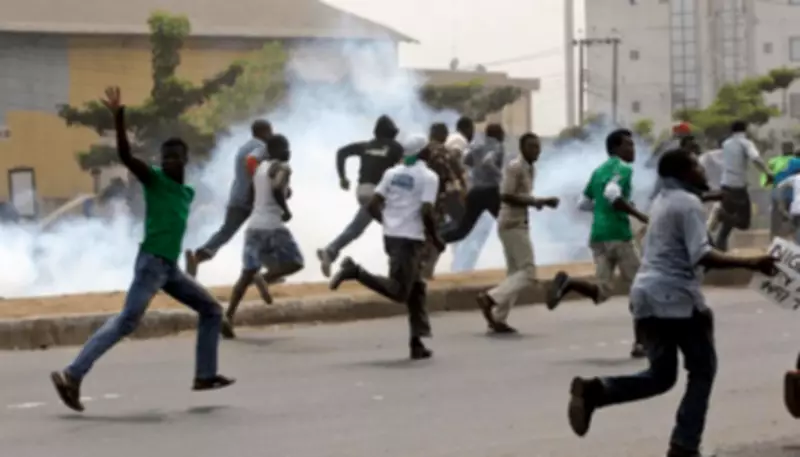
Participants at the forum reviewed the country's socio-political environment and emerging trends, highlighting what they described as a recurring pattern of violence during election cycles. They warned that insecurity linked to terrorism and banditry continues to pose substantial risks to national stability. The forum called for broader civic involvement in addressing these security challenges, including support for security agencies and improved intelligence sharing.
While acknowledging that the government remains central to tackling insecurity, the group emphasised that community-level vigilance and coordinated responses are also necessary to reduce incidents of violence. This approach aims to foster a more secure environment conducive to free and fair elections.
Political Fragmentation and Opposition Coordination
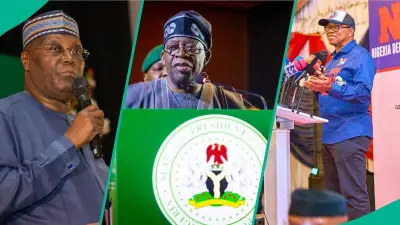
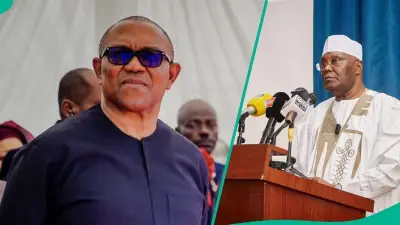
On political developments, the forum examined the state of opposition parties, expressing concern over what it described as fragmentation and a lack of coordination among key actors. Internal divisions and competing ambitions were noted as factors that could weaken the effectiveness of opposition platforms.
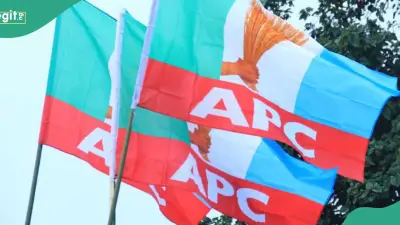
The communiqué pointed to the absence of a unified approach among political parties, noting that differing strategies and internal disagreements may affect their ability to present a cohesive alternative to voters. Participants referenced past political developments, including internal disputes within major parties, as examples of how unresolved disagreements can negatively impact electoral outcomes.
Public Discourse and Policy Proposals
The forum further noted that issues such as security, economic conditions, and social cohesion remain central to public discourse. It stated that political actors would need to address these areas with clear and actionable policy proposals to gain voter trust. While acknowledging ongoing challenges, the group suggested that voters may ultimately weigh stability and organisation when assessing political options ahead of the elections.
The coalition added that it plans to continue consultations with stakeholders across the country, with the aim of developing a coordinated position ahead of its next convention. Observers say such engagements reflect ongoing efforts by civil society and political groups to shape discourse around governance, security, and electoral processes as Nigeria moves closer to the next election cycle.